
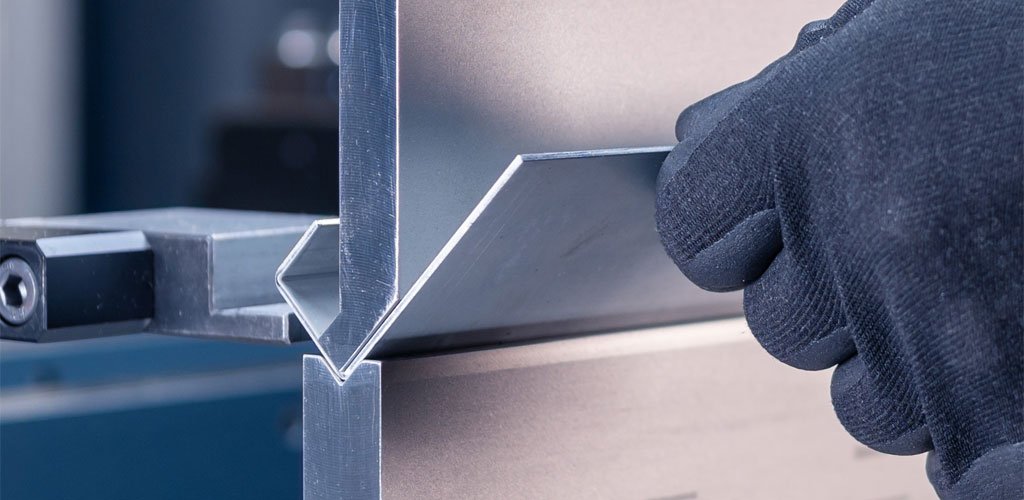
Understanding K-Factor, Bend Allowance and Bend Deduction in Sheet Metal Design
A sheet metal part can look simple on a CAD screen: a flat profile, a few bends, some holes and perhaps a flange or two. Yet turning that digital model into a part that actually fits, folds correctly and performs as intended requires much more than accurate dimensions. One of the most important areas to understand is bending. When a sheet is bent, the material does not simply fold along a sharp line. The metal stretches on the outside of the bend and compresses on the inside. Somewhere between these two regions is a layer where the material experiences little to no change in length. This is called the neutral
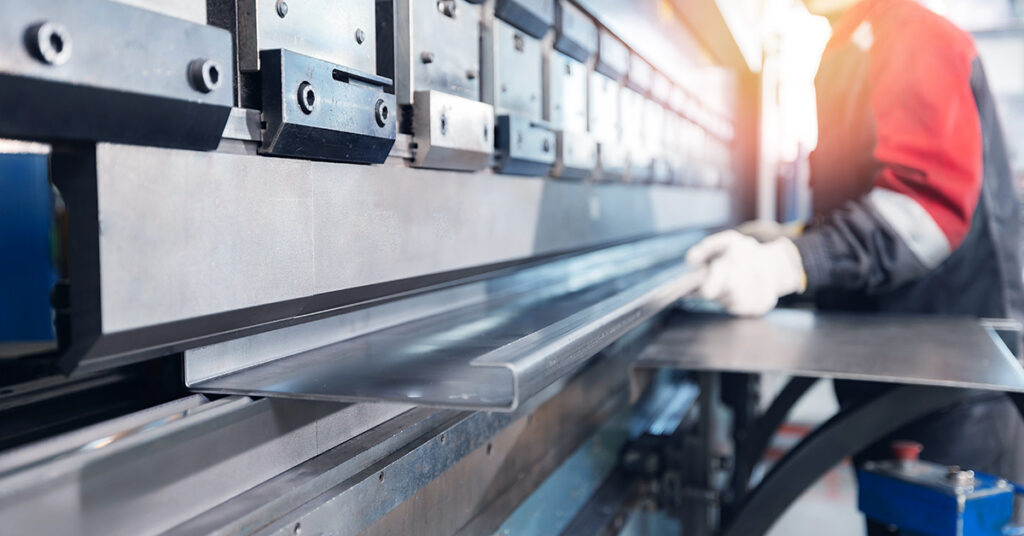
Sheet Metal Bending: Design Guidelines Every Engineer Should Know
Sheet metal bending looks simple until you try to turn a flat piece of metal into a precise, functional component. A bend on a drawing might look like nothing more than a line and an angle. In production, however, that bend involves material thickness, tooling, bend radius, grain direction, tolerances, springback and the way the finished part will be assembled. A small mistake in the design stage can lead to cracked corners, distorted parts, poor fit, or unnecessary manufacturing costs. That is why good sheet metal design starts with an understanding of how the material will actually behave on the shop floor. 1. Start With the Material Before designing bends,

Total Cost of Ownership: Why the Cheapest Fabrication Quote Can Cost More
When comparing quotes from fabrication shops, it is tempting to look straight at the bottom line. One supplier quotes ₹100,000. Another comes in at ₹120,000. On paper, the first option looks like the obvious winner. But what if the cheaper parts arrive late? What if the dimensions are inconsistent? What if your assembly team has to spend hours grinding, drilling, adjusting, or reworking components before they can use them? Suddenly, that ₹100,000 quote doesn’t look quite so cheap. This is where Total Cost of Ownership (TCO) becomes important. Instead of asking, “Who has the lowest price?”, TCO asks a much better question: “What will this fabrication actually cost us from
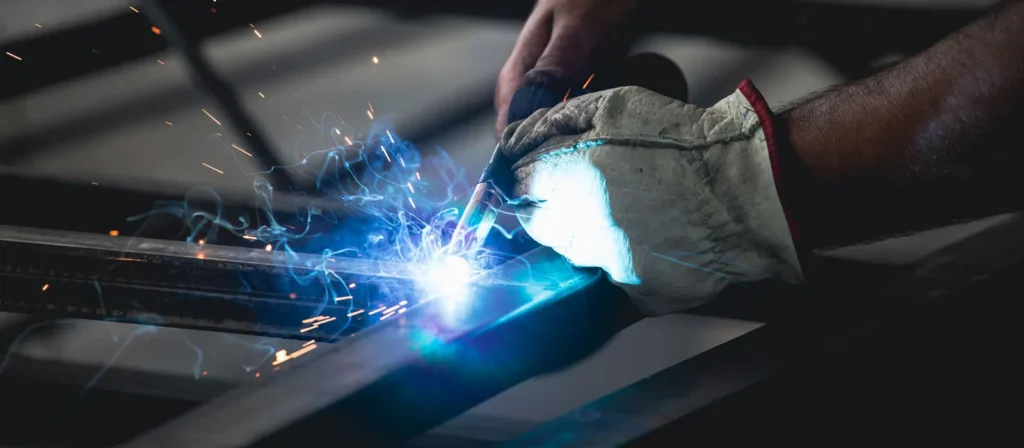
How Fabrication Quality Impacts Final Assembly Performance
A finished assembly can look great on the outside and still have problems hiding underneath. A hole that is a few millimeters off, a bracket that is slightly out of square, or a welded joint that has pulled out of alignment may seem like a small fabrication issue. Once those parts reach final assembly, however, small errors can quickly turn into big headaches. This is why fabrication quality matters far beyond the individual component. In any manufacturing operation, the quality of metal fabrication directly affects how smoothly parts come together, how reliably the finished product performs, and how much time is spent fixing problems along the way. Good Fabrication Makes
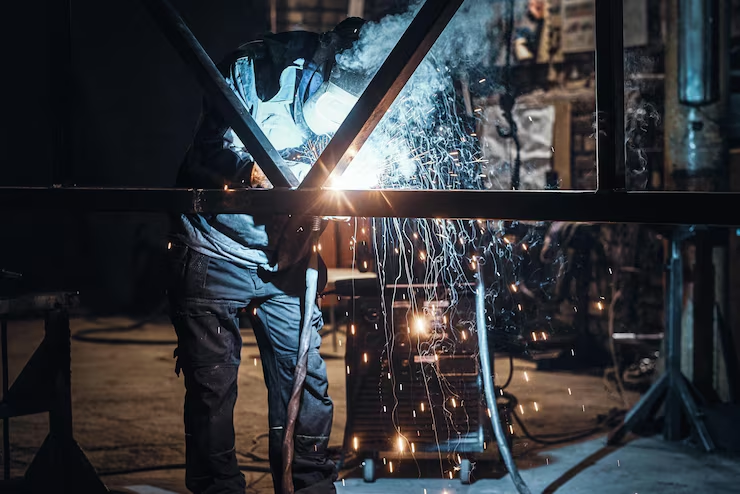
Why Precision Matters in Metal Fabrication
A metal component can look perfect and still fail to perform as expected. A hole may be only a fraction of a millimeter away from its intended position. A bend may be slightly off. A welded frame may have a small amount of distortion. On their own, these differences may seem insignificant. But when that component becomes part of a larger machine, robotic system, aerospace assembly, or industrial product, small variations can quickly become big problems. This is why precision matters in metal fabrication. Precision isn’t about making every dimension impossibly tight. It’s about controlling the dimensions, geometry, and quality characteristics that actually affect how a product performs. And in
CNC Machined Parts vs Fabricated Parts: A Complete Cost Comparison Guide
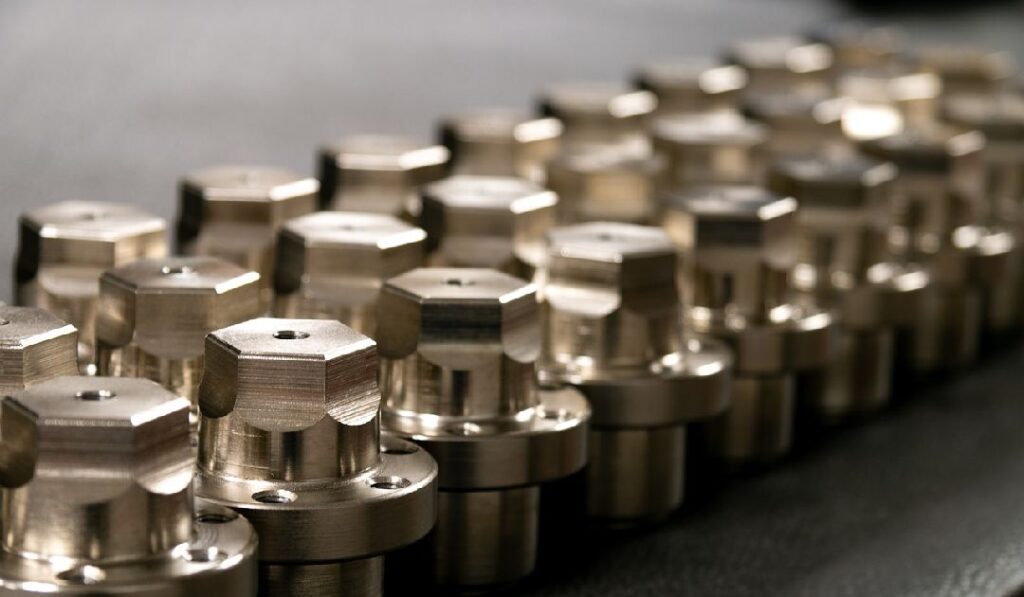
When engineers compare CNC machining parts with fabricated components, the first number they usually look at is the price per part. That makes sense—but it can also be misleading. A machined component may have a higher unit price but require little assembly. A fabricated part may look cheaper on the quotation but involve cutting, bending, welding, grinding, finishing, and several additional operations. The real question isn’t: “Which process has the lower part price?” It is: “Which manufacturing approach gives us the best overall value for this application?” That answer depends on geometry, material, quantity, tolerances, labor, finishing, inspection, and production volume. Let’s look at the cost differences in practical terms.
Laser Cutting vs CNC Punching: Which Is Better for Sheet Metal Fabrication?
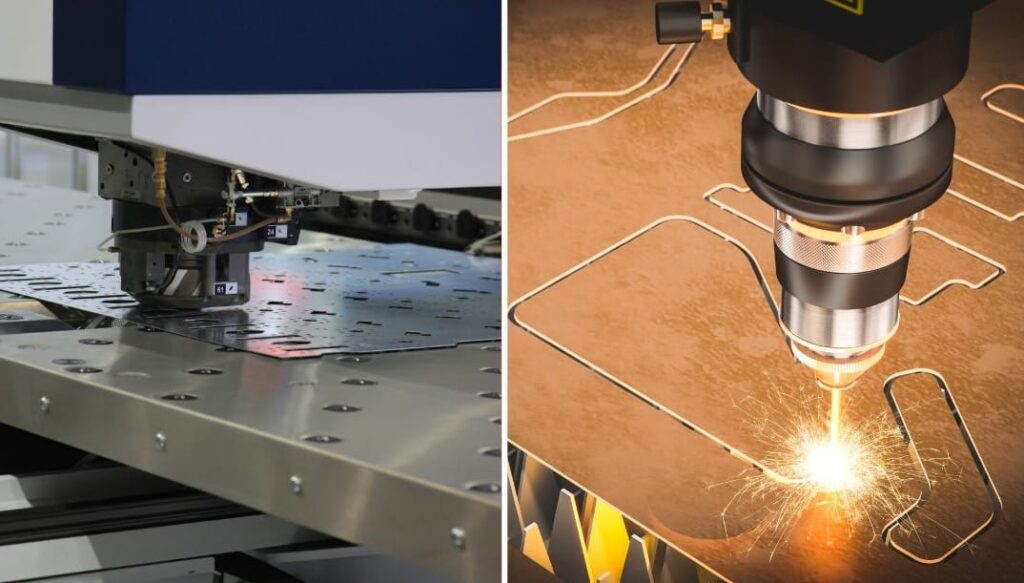
When a sheet metal part starts with a flat sheet, one of the first manufacturing decisions is how that sheet should be cut. Laser cutting and CNC punching are both established technologies. Both can produce accurate profiles, holes, slots, and other features. So, when it comes to sheet metal fabrication, which one should you choose? The honest answer is: it depends on the part. Material, thickness, quantity, geometry, hole patterns, tolerances, finishing requirements, and production volume all influence the better choice. Understanding where each process performs best can help engineers and manufacturers make a decision that balances quality, speed, flexibility, and cost. What Is Laser Cutting? Laser cutting uses a
10 Questions to Ask Before Choosing a Sheet Metal Fabrication Company
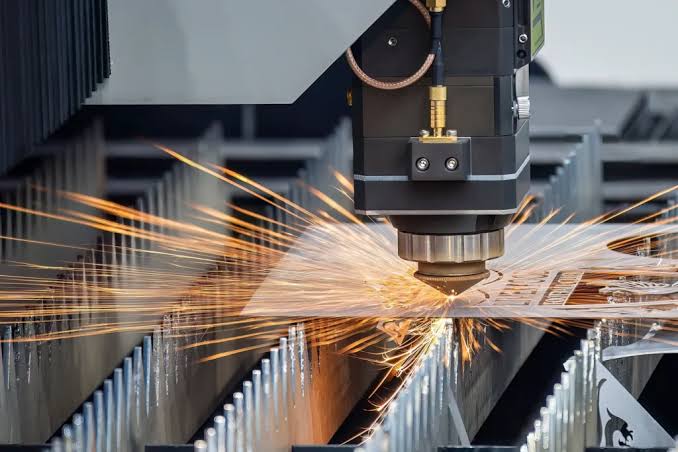
Finding a sheet metal supplier is easy. Finding the right one is not. A quick search for “fabrication shops near me” can give you dozens of options. But a list of machines, a competitive quote, and a polished website don’t necessarily tell you whether a fabricator can consistently deliver the quality your project requires. The right sheet metal fabrication partner should understand your drawings, work within your tolerances, communicate clearly, maintain consistent quality, and deliver when they say they will. Before sending your next RFQ, here are 10 questions worth asking. 1. What Sheet Metal Processes Do You Handle In-House? Start with the basics. Ask what processes the company performs
Steel vs Aluminum Fabrication: Which Material Is Right for Your Project?
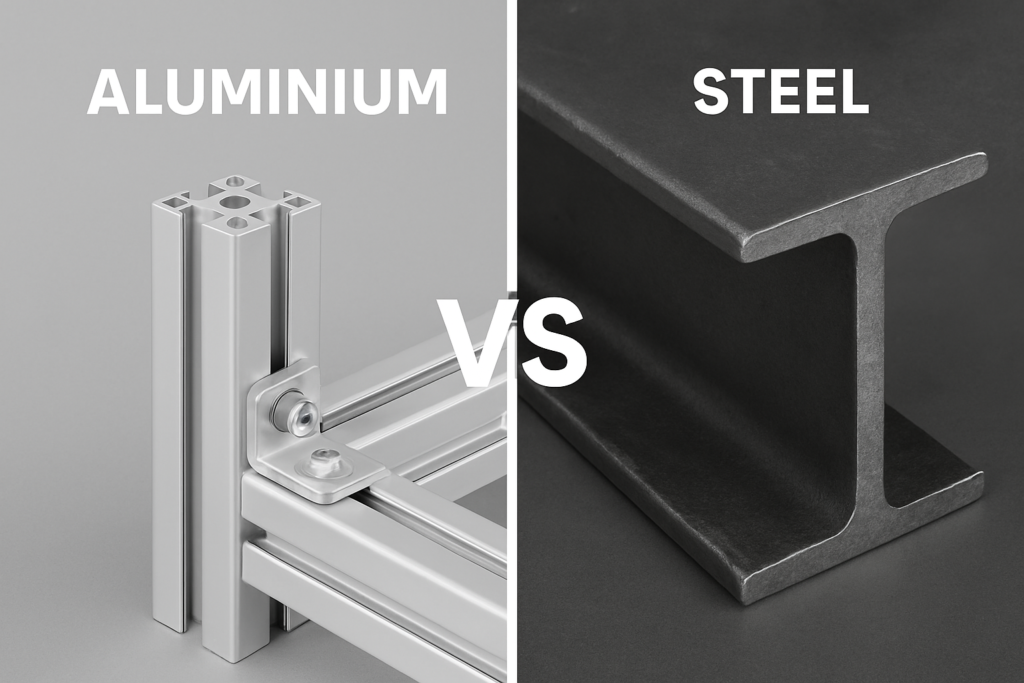
Choosing between steel and aluminum is one of those decisions that can look simple on paper and become surprisingly important once a project reaches the manufacturing floor. Both materials are widely used in fabrication. Both can be cut, formed, welded, machined, and finished. Yet they behave very differently during manufacturing and in the final application. Steel may offer the strength and durability a structure needs. Aluminum may provide the weight savings that make a product easier to handle or transport. So, which one should you choose? The answer depends less on which material is “better” and more on what the part needs to do, where it will operate, and how
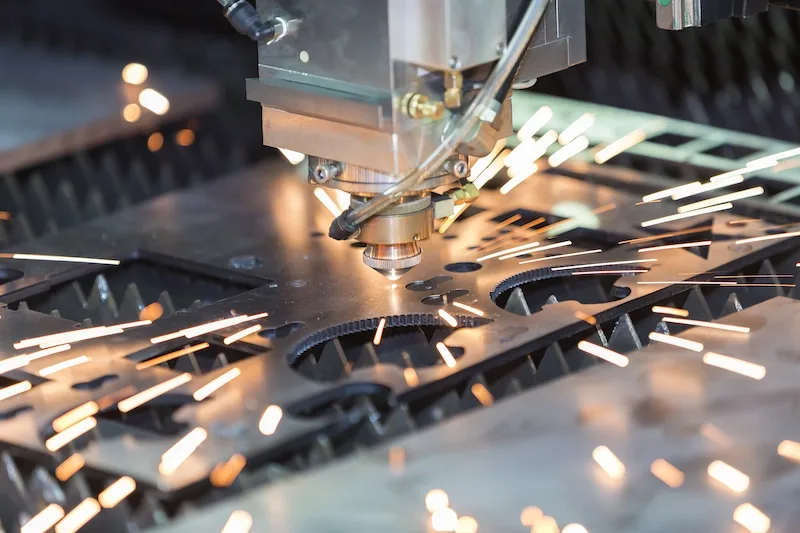
Sheet Metal Fabrication Tolerances Explained: What Engineers Need to Know
A Sheet Metal Fabrication part can look simple on a drawing. A flat profile, a few holes, some bends, and perhaps a welded joint. But getting that part to match the drawing consistently is where the real manufacturing challenge begins. Engineers often spend considerable time defining dimensions and tolerances, but one important question can sometimes be overlooked: How much variation can the manufacturing process realistically hold? Understanding tolerances in sheet metal fabrication helps engineers design parts that are functional, manufacturable, inspectable, and cost-effective. It also reduces the back-and-forth that can happen between design and production teams. Let’s break down what engineers should know. What Is a Sheet Metal Tolerance? Sheet
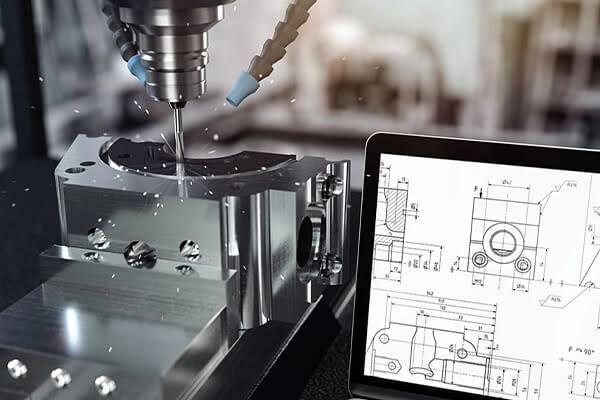
From Prototype to Production: Choosing the Right Manufacturing Process
Taking a product from an idea to a finished, production-ready part is rarely a straight line. A prototype that works perfectly in the engineering lab may not be the best design for producing 100, 1,000, or 10,000 units. As volumes increase, decisions around material, tolerances, tooling, cycle time, quality, and cost become much more important. This is why choosing the right manufacturing process early can make a significant difference. Whether you’re developing a robotic component, aerospace part, industrial enclosure, automotive component, or precision machine assembly, understanding when to use CNC machining, metal fabrication, or sheet metal fabrication can help you move from prototype to production with fewer surprises. Start With
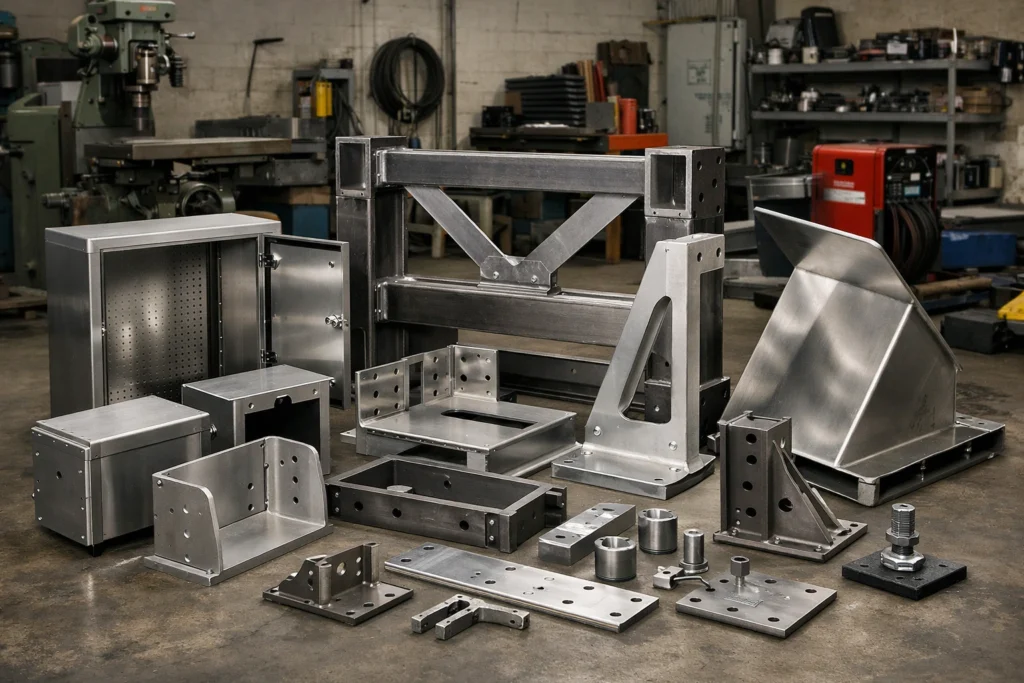
How to Select the Right Metal Fabrication Partner for Your Business
Choosing a metal fabrication partner is not simply about finding someone who can cut, bend, weld, or finish metal. The right partner becomes an extension of your engineering and procurement teams. They can help you turn a drawing into a production-ready component, solve manufacturing challenges, maintain quality, and deliver parts when you need them. The wrong choice, on the other hand, can lead to inconsistent quality, missed deadlines, unexpected costs, and repeated engineering changes. With so many fabrication shops available, how do you know which one is actually right for your business? Here are the factors worth looking at before making that decision. 1. Start With Your Actual Manufacturing Requirements
