
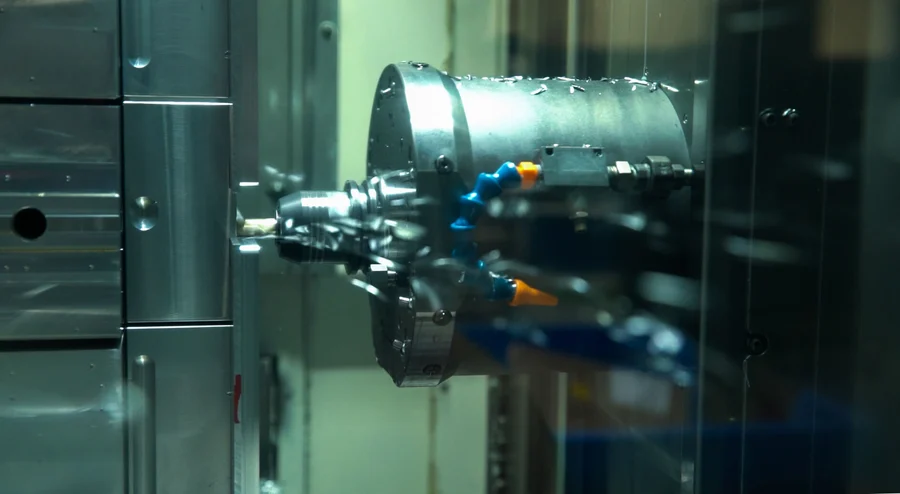
Design for Manufacturability (DFM) in CNC Machining and Sheet Metal Fabrication
A good product does not begin on the shop floor. It begins on the drawing board. Every dimension, hole, bend, radius, material choice, and tolerance defined during design eventually becomes a manufacturing decision. A design may look perfect in CAD, but if it is difficult to machine, bend, weld, inspect, or assemble, the result can be higher costs, longer lead times, more scrap, and unnecessary engineering changes. This is where Design for Manufacturability (DFM) makes a real difference. DFM is the practice of designing a component with its manufacturing process in mind from the beginning. In CNC machining and sheet metal fabrication, a few thoughtful changes during the design stage
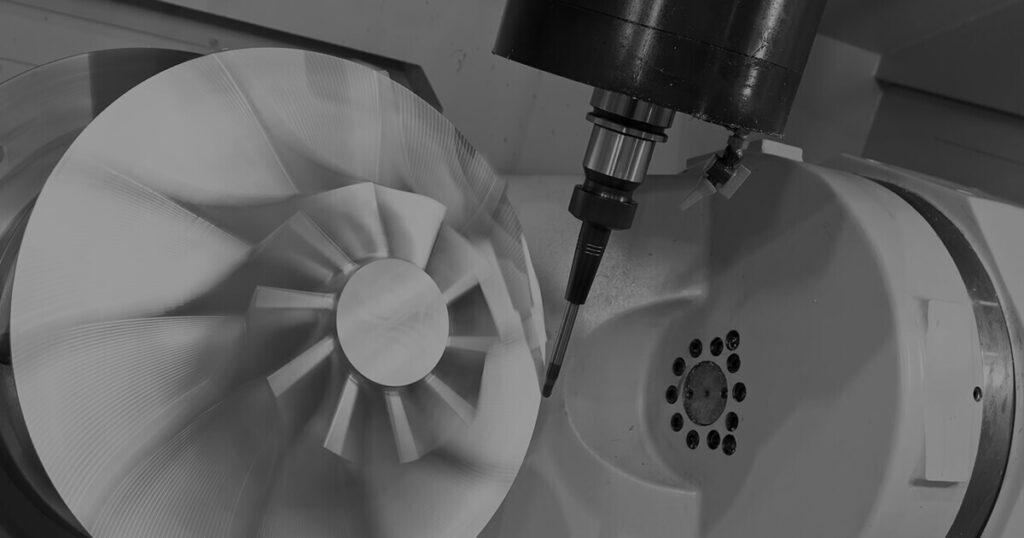
CNC Machining FAQs: Answers to the Most Common Buyer Questions
If you’re sourcing precision parts for the first time-or even if you’ve worked with manufacturers before-it’s normal to have questions about the CNC machining process. From lead times and material selection to tolerances and pricing, understanding the basics can help you make better purchasing decisions and avoid costly mistakes. To make things easier, we’ve answered some of the most common questions buyers ask about CNC Machining. Whether you’re ordering a prototype or planning large-scale production, these FAQs will help you navigate the process with confidence. 1. What Is CNC Machining? CNC Machining (Computer Numerical Control Machining) is a manufacturing process where computer-controlled machines remove material from a solid block to
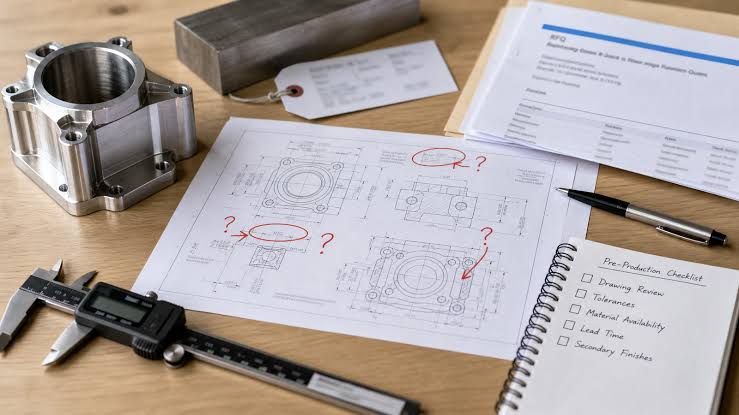
CNC Machining Lead Time: Factors That Affect Delivery
When sourcing precision components, price and quality are often the first things manufacturing buyers consider. But there’s another factor that can have just as much impact on your production schedule-lead time. A delayed shipment of machined parts can slow down assembly, postpone product launches, and increase operational costs. That’s why understanding what affects lead time is just as important as choosing the right supplier. While every project is different, several factors determine how quickly a manufacturer can produce and deliver your parts. Knowing these factors can help you plan better, avoid unnecessary delays, and get the most from your CNC Machining Services provider. What Is CNC Machining Lead Time? Lead
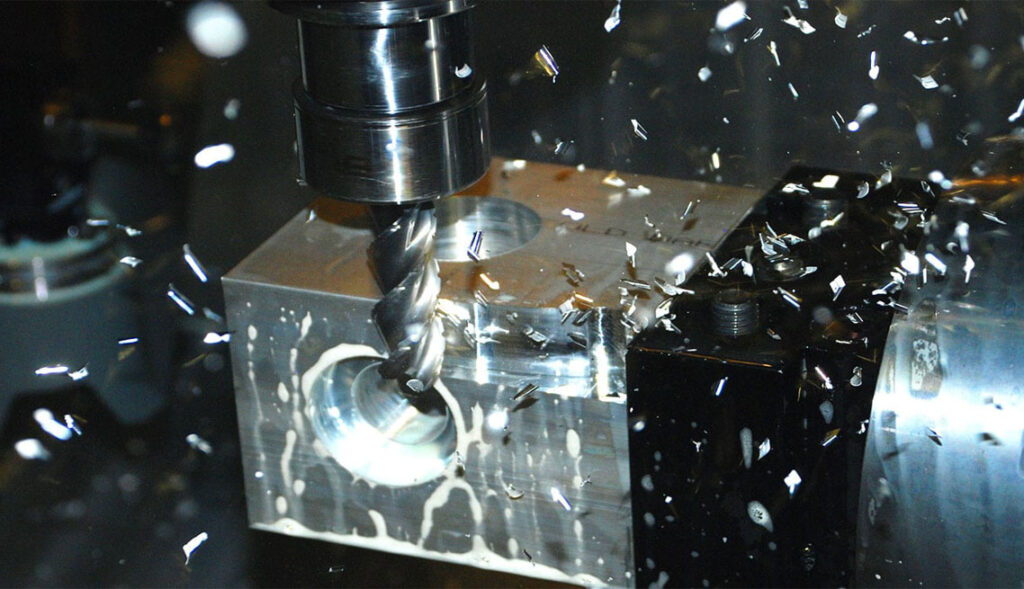
Multi-Axis Machining: When Should You Move Beyond 3-Axis?
For many manufacturers, 3-axis CNC machining has been the go-to solution for producing reliable, high-quality parts. It’s efficient, cost-effective, and capable of handling a wide variety of machining tasks. But as product designs become more complex and customer expectations continue to rise, many businesses find themselves asking an important question: Is it time to move beyond 3-axis machining? The answer depends on the complexity of your parts, the level of precision required, and your production goals. In many cases, investing in a Five Axis CNC Machine can significantly improve efficiency, accuracy, and overall manufacturing capability. Let’s explore when making that transition makes sense. Understanding the Difference A traditional 3-axis CNC
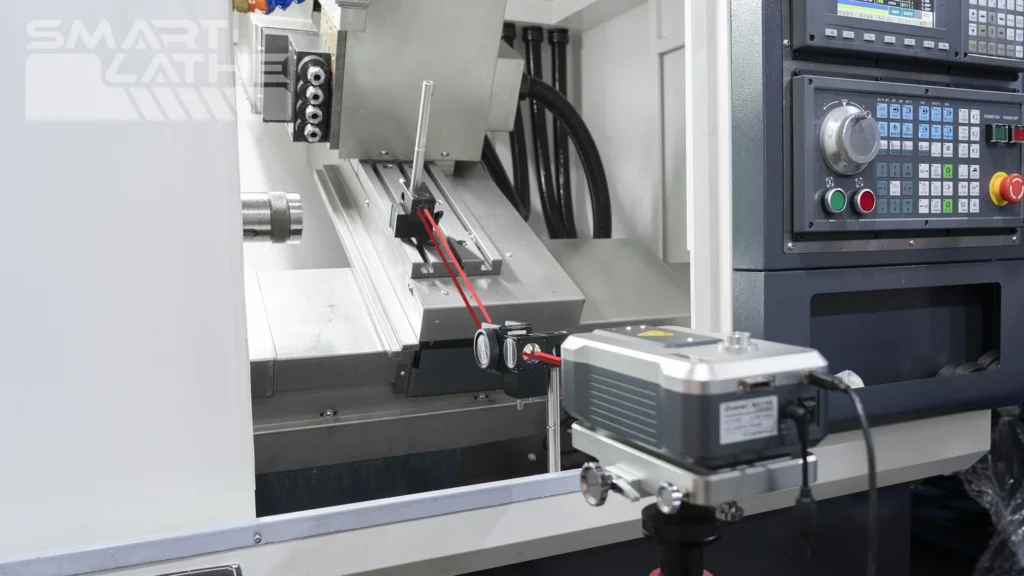
How CNC Milling Improves Accuracy and Repeatability
Manufacturing today demands more than just speed—it demands consistency. Whether it’s a single prototype or thousands of production parts, every component must match the original design with minimal variation. This is where CNC Milling has become a game-changer. Unlike traditional machining, where results often depend on the operator’s skill, CNC milling relies on computer-controlled technology to produce highly accurate parts repeatedly. This level of precision has made it a preferred manufacturing process across industries such as aerospace, automotive, medical devices, electronics, and industrial equipment. But what makes CNC milling so reliable? Let’s take a closer look at how it improves both accuracy and repeatability in modern manufacturing. Understanding CNC Milling
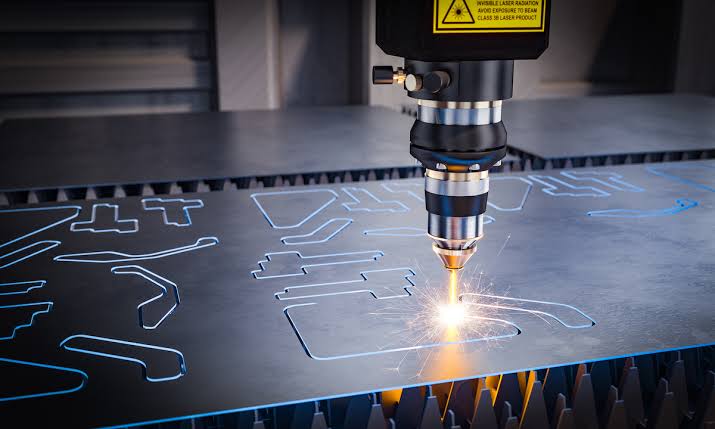
CNC Machining Quality Control: Inspection Methods and Standards
In today’s manufacturing landscape, precision is no longer a competitive advantage—it’s an expectation. Whether you’re sourcing components for aerospace, automotive, medical devices, or industrial machinery, the quality of every machined part directly impacts product performance, reliability, and customer satisfaction. For manufacturing buyers, choosing the right CNC machining partner isn’t just about pricing or production capacity. It’s also about understanding how that supplier maintains consistent quality throughout the manufacturing process. This is where effective quality control becomes essential. From dimensional inspections to internationally recognized standards, a well-defined quality assurance process ensures every component meets the required specifications before it reaches your production line. Why Quality Control Matters in CNC Machining CNC
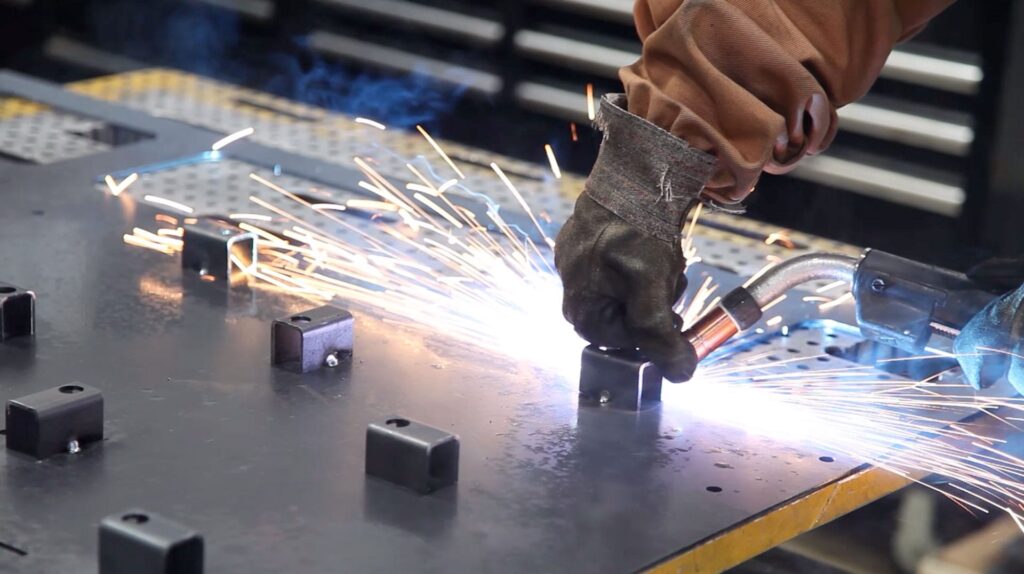
Precision Metal Fabrication: Processes, Benefits and Applications
Modern industries rely on metal components that are not only strong and durable but also manufactured with exceptional accuracy. From aerospace equipment and medical devices to industrial machinery and automotive systems, even the smallest dimensional variation can impact performance. This is where precision metal fabrication becomes essential. By combining advanced technology, skilled workmanship, and strict quality control, manufacturers can produce complex metal parts that meet exact specifications. Driven by precision engineering, modern metal fabrication has evolved far beyond basic cutting and welding. Today, it involves advanced processes that help businesses achieve better quality, faster production, and improved product reliability. What Is Precision Metal Fabrication? Precision metal fabrication is the process
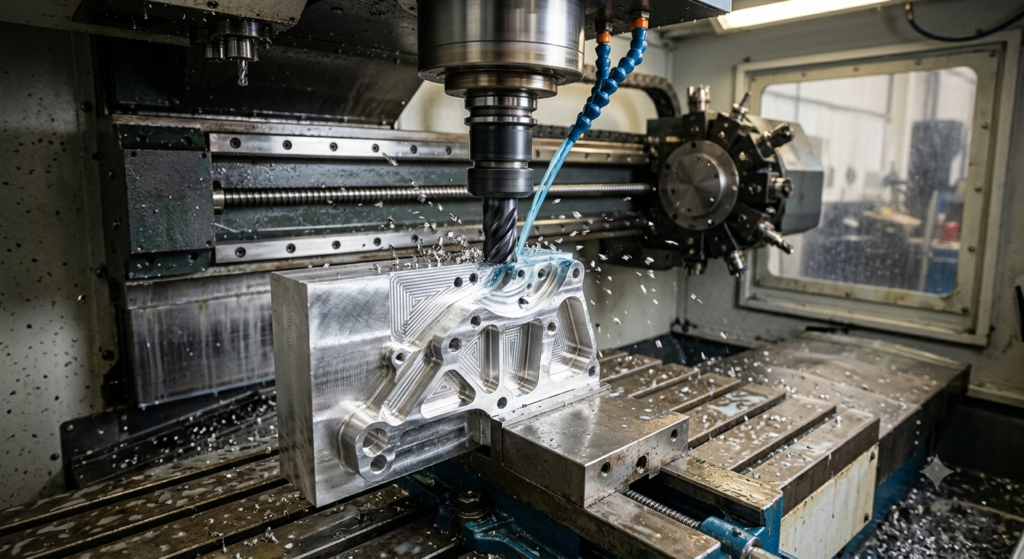
Common CNC Machining Defects and How Manufacturers Prevent Them
Precision is one of the biggest advantages of CNC Machining, but even the most advanced machines can produce defects if the process isn’t carefully controlled. From incorrect dimensions to poor surface finishes, machining issues can increase production costs, delay delivery schedules, and affect product performance. The good news is that most CNC machining defects are preventable. By combining modern equipment, skilled operators, proper tooling, and strict quality control, manufacturers can consistently produce high-quality components with minimal waste. In this blog, we’ll look at some of the most common CNC machining defects, what causes them, and the steps manufacturers take to prevent them. Why Defects Occur in CNC Machining Although CNC
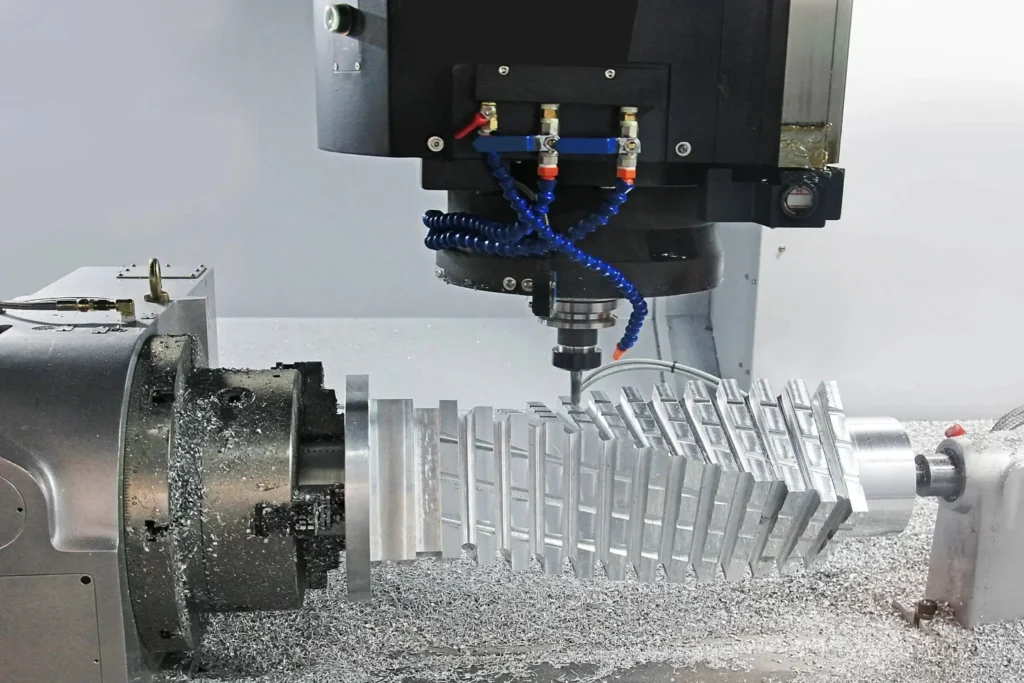
Reduce CNC Machining Costs Without Compromising Quality
When sourcing CNC-machined parts, one of the biggest concerns for manufacturers is the machining price. Every business wants to reduce production costs, but cutting expenses should never come at the cost of product quality. Poor-quality components can lead to rework, delays, customer complaints, and higher long-term expenses. The good news is that lowering your machining price doesn’t always mean choosing cheaper materials or sacrificing precision. Smart design decisions, efficient production planning, and the right manufacturing partner can significantly reduce costs while maintaining high standards. In this blog, we’ll explore practical ways to optimize CNC machining costs without compromising quality. Understand What Affects Machining Price Before looking for ways to save
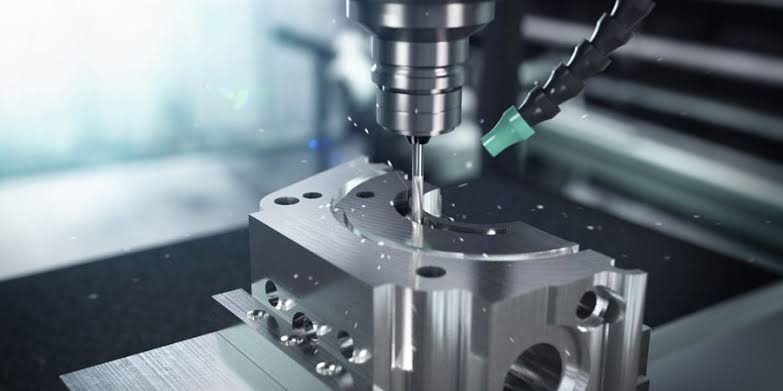
How CNC Production Machining Supports High-Volume Manufacturing
In today’s competitive manufacturing landscape, businesses are expected to deliver high-quality products faster than ever before. Whether it’s automotive components, aerospace parts, medical devices, or industrial equipment, manufacturers need production methods that combine speed, accuracy, and consistency. This is where CNC Production Machining becomes a game-changer. Unlike traditional machining methods, CNC Production Machining uses computer-controlled equipment to automate manufacturing processes with exceptional precision. It enables companies to produce thousands of identical components while maintaining tight tolerances and reducing production costs. Let’s explore how CNC Production Machining supports high-volume manufacturing and why it has become an essential part of modern production facilities. What Is CNC Production Machining? CNC Production Machining is
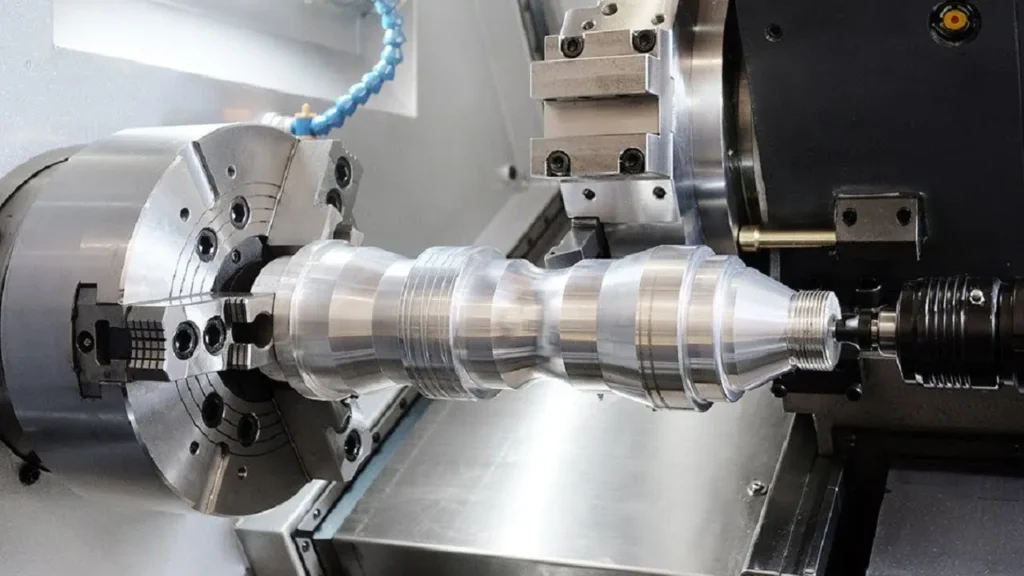
CNC Machine vs Conventional Machining: A Detailed Comparison
Manufacturing has evolved dramatically over the years, with technology playing a key role in improving accuracy, speed and productivity. One of the biggest advancements in the industry is the CNC Machine, which has transformed the way parts and components are manufactured. While conventional machining still has its place in workshops and repair facilities, CNC technology has become the preferred choice for industries that demand precision and efficiency. If you’re wondering whether a CNC Machine is better than conventional machining, this detailed comparison will help you understand the strengths, limitations, and ideal applications of both methods. What is a CNC Machine? A CNC Machine (Computer Numerical Control Machine) is a manufacturing
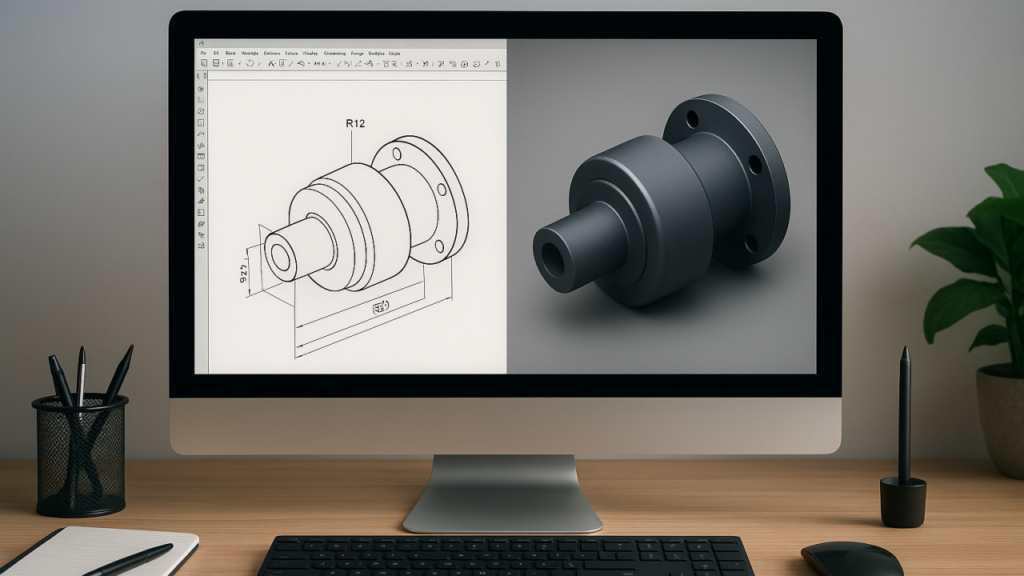
CNC Machining Process: Step-by-Step From CAD to Finished Part
In today’s manufacturing world, precision, speed, and consistency are more important than ever. Whether it’s an aerospace bracket, a medical device component, or a robotics part, every product begins with an idea that eventually becomes a physical component. This transformation is made possible through the CNC machining process. But what exactly happens between a digital design and the finished part? This guide walks through the machining process step by step, helping you understand how CNC machining turns engineering concepts into high-quality, production-ready components. What is the CNC Machining Process? The CNC (Computer Numerical Control) machining process is a manufacturing method where computer-controlled machines remove material from a solid workpiece to
