
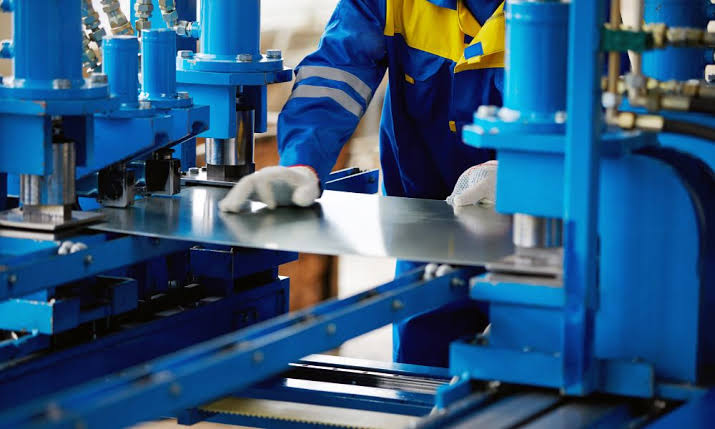
The Complete Sheet Metal Fabrication Process Explained
Every day, we interact with products made from sheet metal without giving them much thought. From electrical cabinets and medical equipment to automotive components and industrial machinery, sheet metal plays a vital role in modern manufacturing. But turning a flat sheet of metal into a finished product requires much more than simply cutting and bending it. The sheet metal fabrication process is a carefully planned combination of engineering, precision, and skilled craftsmanship. Each stage contributes to producing components that are strong, accurate, and ready for real-world applications. If you’ve ever wondered how a simple metal sheet becomes a complex part or complete assembly, here’s a step-by-step look at the journey.
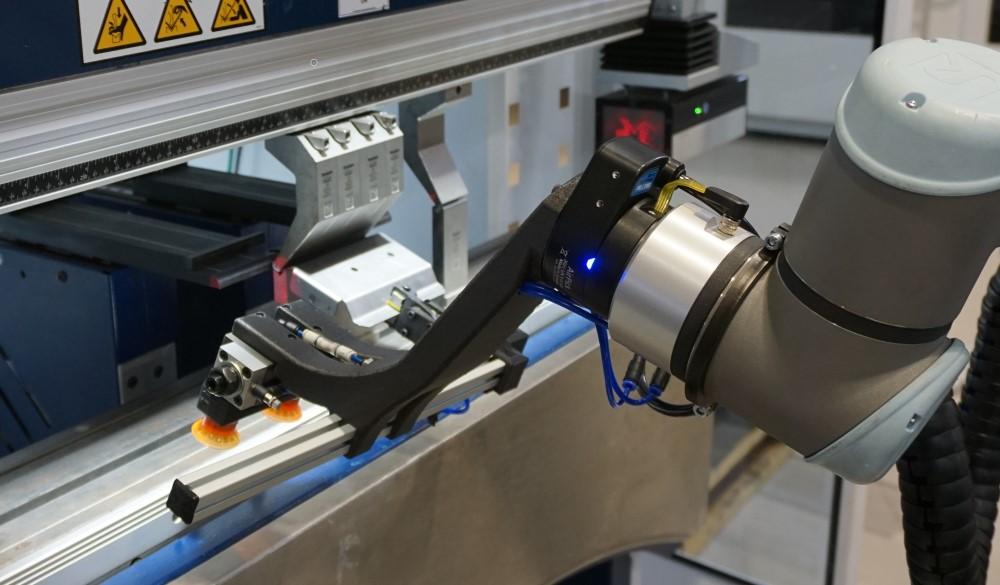
How Automated Fabrication Improves Quality and Reduces Cost
Manufacturing has changed significantly over the last decade. Customers expect better quality, faster delivery, and competitive pricing—all at the same time. To meet these expectations, many manufacturers are moving away from traditional manual processes and investing in automated fabrication technologies. Automation is no longer just an advantage for large manufacturers. Today, companies of all sizes are adopting automated solutions to improve consistency, increase production efficiency, and reduce operating costs. When combined with modern metal fabrication techniques and precision engineering, automation delivers products that meet demanding quality standards while keeping production economical. Why Automation Matters in Metal Fabrication Traditional fabrication methods often rely heavily on manual operations. While skilled operators remain
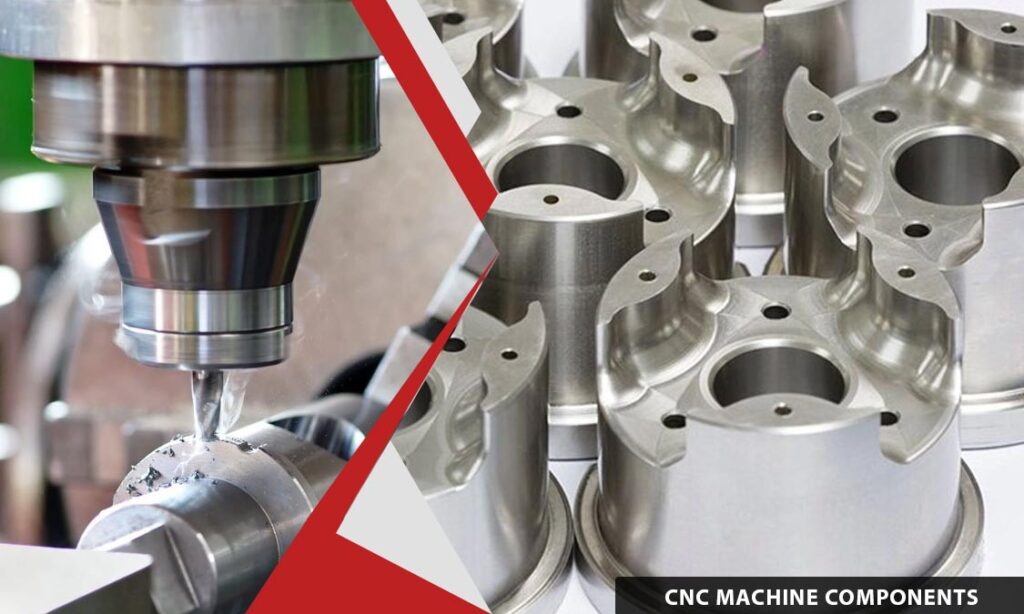
CNC Machined Parts: Materials, Tolerances and Surface Finishes Explained
Modern manufacturing depends on components that are accurate, reliable, and built to perform under demanding conditions. From automotive systems and aerospace equipment to medical devices and industrial machinery, every component must meet strict performance requirements. This is where CNC Machining Parts play an important role. CNC machining allows manufacturers to transform raw materials into highly precise components using computer-controlled machines. However, producing a quality machined part involves much more than simply removing material. The choice of material, required tolerances, and surface finish all have a major impact on the final product’s performance, durability, and cost. Understanding these three factors helps engineers and businesses make better decisions when developing new components.
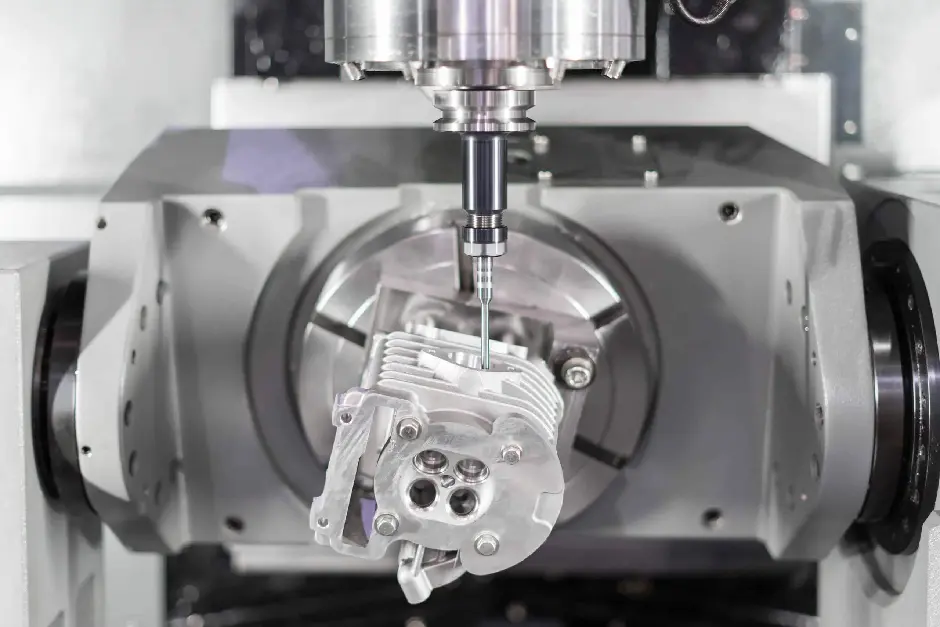
Understanding 5-Axis CNC Machining: Benefits, Applications & Limitations
Modern manufacturing continues to push the boundaries of accuracy, complexity, and efficiency. As industries demand lighter, stronger, and more precise components, traditional machining methods are often not enough to meet today’s requirements. This is where the 5 Axis CNC Machine has become a game changer. By allowing cutting tools to move along five different axes simultaneously, 5-axis CNC machining enables manufacturers to produce highly complex parts with exceptional accuracy and fewer setups. From aerospace components to medical devices and advanced industrial equipment, this technology has transformed the way precision parts are designed and manufactured. However, like any manufacturing process, 5-axis machining also has its limitations. Understanding both the advantages and
What Makes a Precision CNC Machining Manufacturer Reliable?
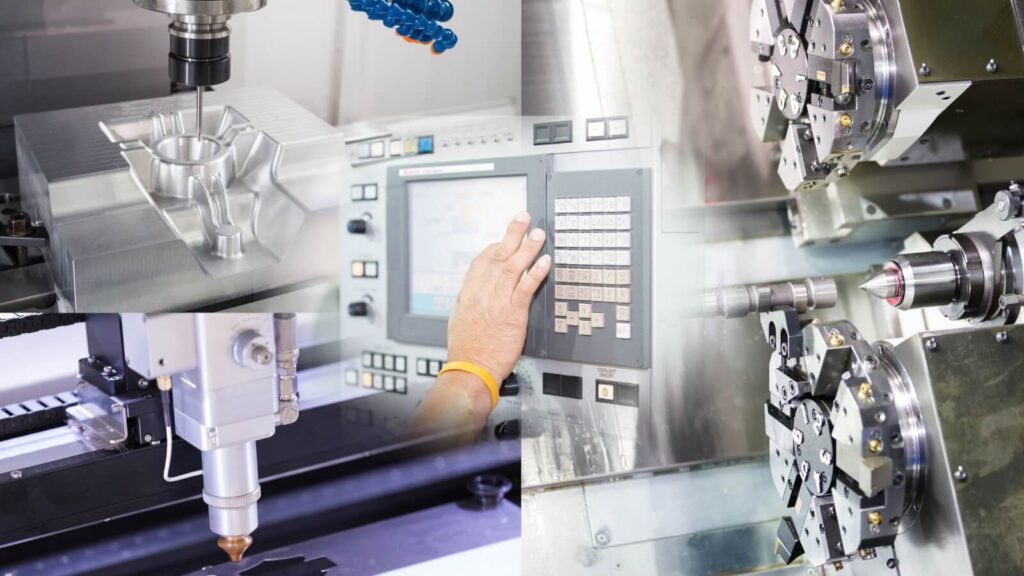
In today’s competitive manufacturing environment, choosing the right machining partner can have a major impact on product quality, production timelines, and overall business success. A reliable CNC Machining Manufacturer does much more than simply operate advanced machines. The best manufacturers combine engineering expertise, modern technology, quality control, and strong communication to deliver components that meet exact customer requirements. Whether producing prototypes, low-volume parts, or high-volume production components, reliability is built through consistent processes, attention to detail, and a commitment to customer success. Understanding the Role of a CNC Machining Manufacturer A CNC Machining Manufacturer uses computer-controlled machines to produce highly accurate components from materials such as aluminum, stainless steel, steel,
Low-Volume vs High-Volume Metal Fabrication: Which Is More Cost-Effective?
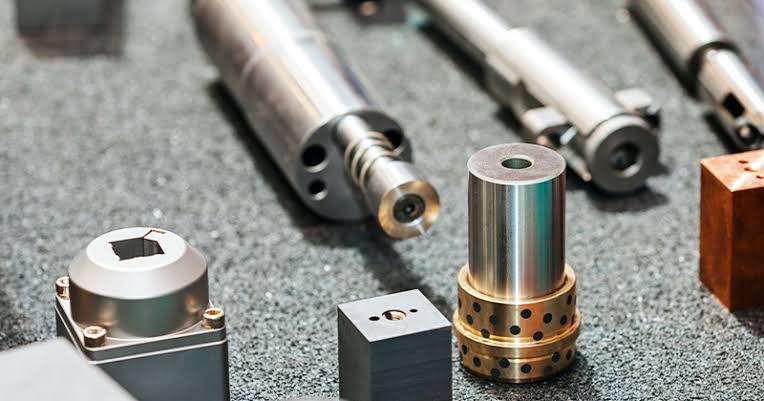
Every manufacturing project begins with a simple question: How many parts do we actually need? The answer has a major impact on production costs, lead times, tooling investments, and even the choice of manufacturing process. Whether you’re launching a new product, building prototypes, or scaling production for an established design, deciding between low-volume and high-volume metal fabrication can significantly influence your project’s success. There’s no universal answer because the most cost-effective approach depends on your production goals, design maturity, and business priorities. Understanding the strengths of both methods can help you make smarter decisions and maximize your manufacturing budget. Understanding Metal Fabrication Metal fabrication is the process of transforming raw

Why Integrated Manufacturing Reduces Supply Chain Risk
Over the last few years, manufacturers around the world have learned an important lesson: a strong product depends on a strong supply chain. Unexpected disruptions—from material shortages and transportation delays to geopolitical uncertainties and labor constraints—have made it clear that relying on multiple disconnected suppliers can create unnecessary risk. Even a single delayed component can hold up an entire production schedule, increase costs, and affect customer commitments. This is why many companies are shifting toward integrated manufacturing. By combining CNC machining, metal fabrication, finishing, and assemblies under one manufacturing partner, businesses can simplify operations, improve quality, and build a more resilient supply chain. What Is Integrated Manufacturing? Integrated manufacturing is
How Metal Stamping Differs from Sheet Metal Fabrication: Choosing the Right Manufacturing Process
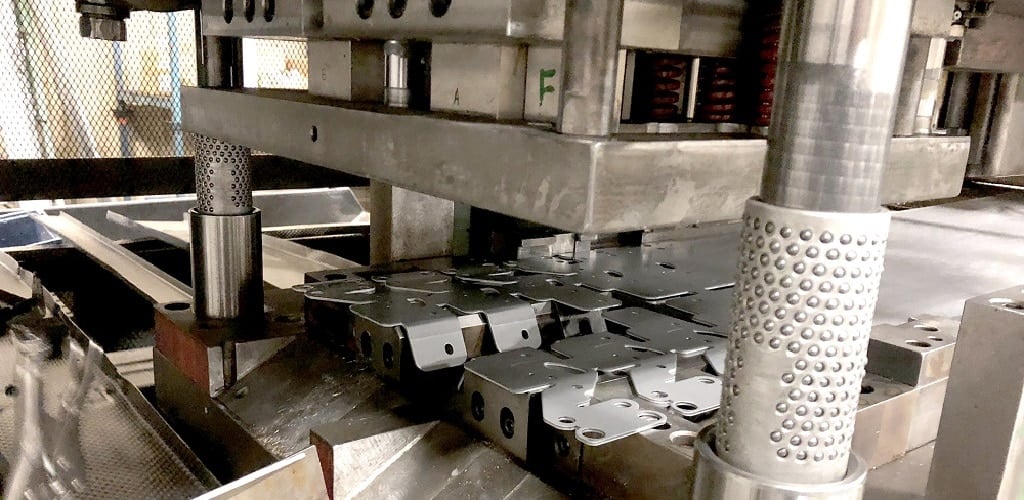
In modern manufacturing, selecting the right production method can make a significant difference in product quality, production speed, and overall cost. Two of the most commonly used processes for producing metal components are metal stamping and sheet metal fabrication. Although they both begin with sheet metal, they serve different purposes and are suited to different production requirements. Understanding the differences between these manufacturing methods helps engineers, procurement teams, and product designers make informed decisions that improve efficiency and reduce costs. What Is Metal Stamping? Metal stamping is a manufacturing process in which manufacturers use specially designed dies and high-tonnage presses to shape, cut, bend, or form sheet metal into specific
