
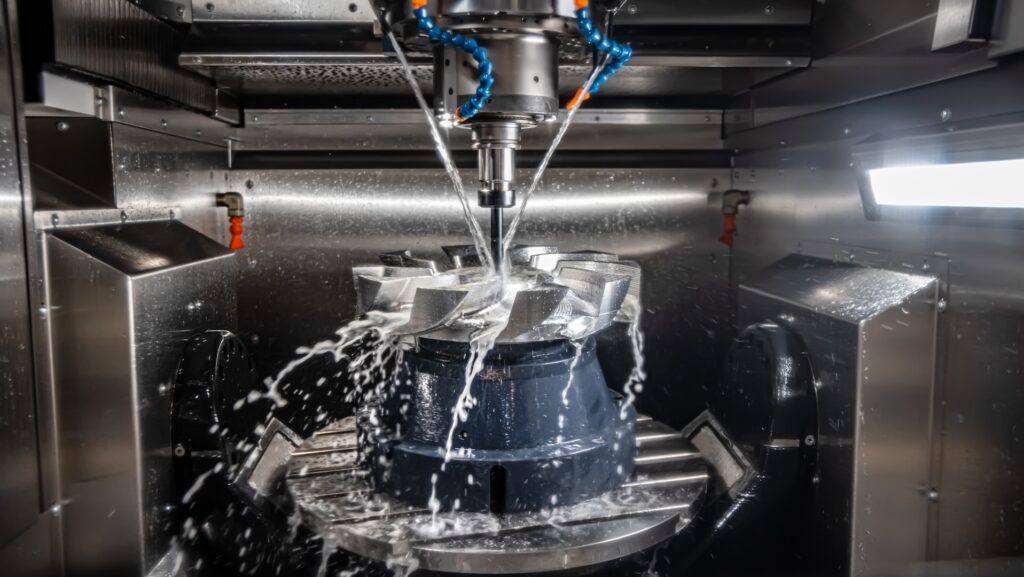
Prototype vs Production CNC Machining: Which Do You Need?
Bringing a product idea to life is an exciting journey, but it often comes with one important question: Should you start with prototype machining or move directly into production machining? The answer depends on where your product stands in the development process. While both methods use advanced CNC technology to create precision parts, they serve different purposes. Choosing the right approach can save time, reduce costs, and improve the overall quality of your final product. Whether you’re developing a new medical device, an automotive component, or an industrial machine part, understanding the difference between prototyping and CNC Production Machining can help you make a smarter manufacturing decision. What Is Prototype
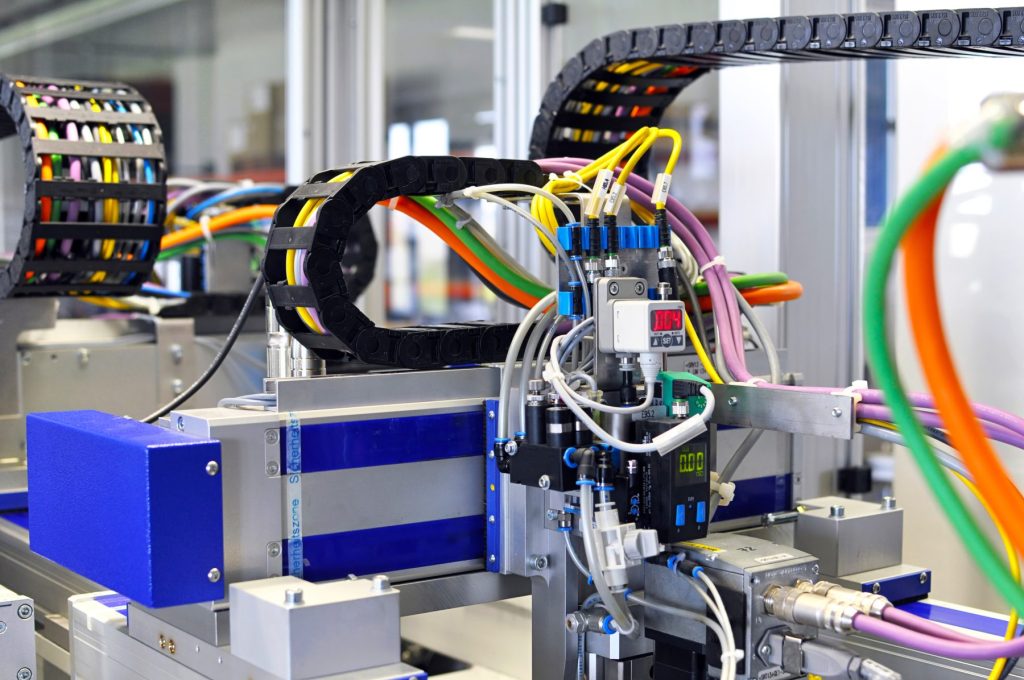
CNC Machining for Aerospace, Medical and Robotics Industries
In today’s manufacturing landscape, precision is no longer a luxury—it’s a necessity. Industries such as aerospace, medical, and robotics demand components that meet strict quality standards, perform flawlessly under pressure, and maintain consistency across production runs. This is where CNC Machining Services have become an essential part of modern manufacturing. From aircraft engine components to surgical instruments and robotic assemblies, CNC machining enables manufacturers to produce complex parts with exceptional accuracy and repeatability. As technology continues to evolve, businesses across these industries rely on CNC machining not only for precision but also for faster production, material flexibility, and cost efficiency. Why CNC Machining Matters Computer Numerical Control (CNC) machining is
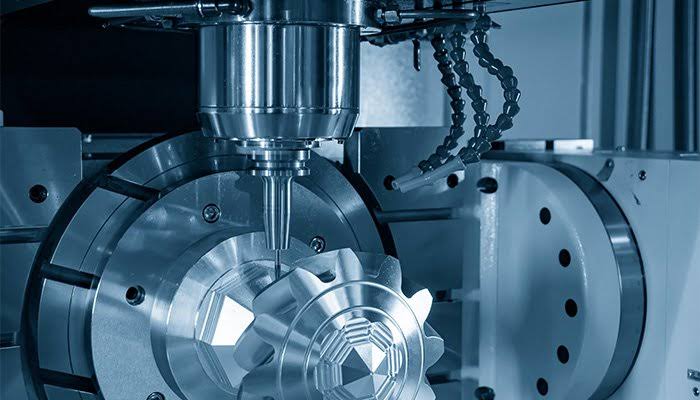
How to Select the Right CNC Machine for Complex Components
Manufacturing complex components isn’t just about having a skilled team or a detailed design—it’s also about choosing the right equipment. Whether you’re producing aerospace parts, medical devices, automotive components, or precision molds, the quality of the final product depends heavily on the machine used to create it. With so many options available, selecting the right CNC machine can seem overwhelming. Different machines are designed for different applications, materials, and production requirements. Investing in the wrong equipment can lead to longer production times, higher costs, and inconsistent quality. This guide explains the key factors to consider when selecting the right CNC Machine Tools for machining complex components. Understand the Complexity of
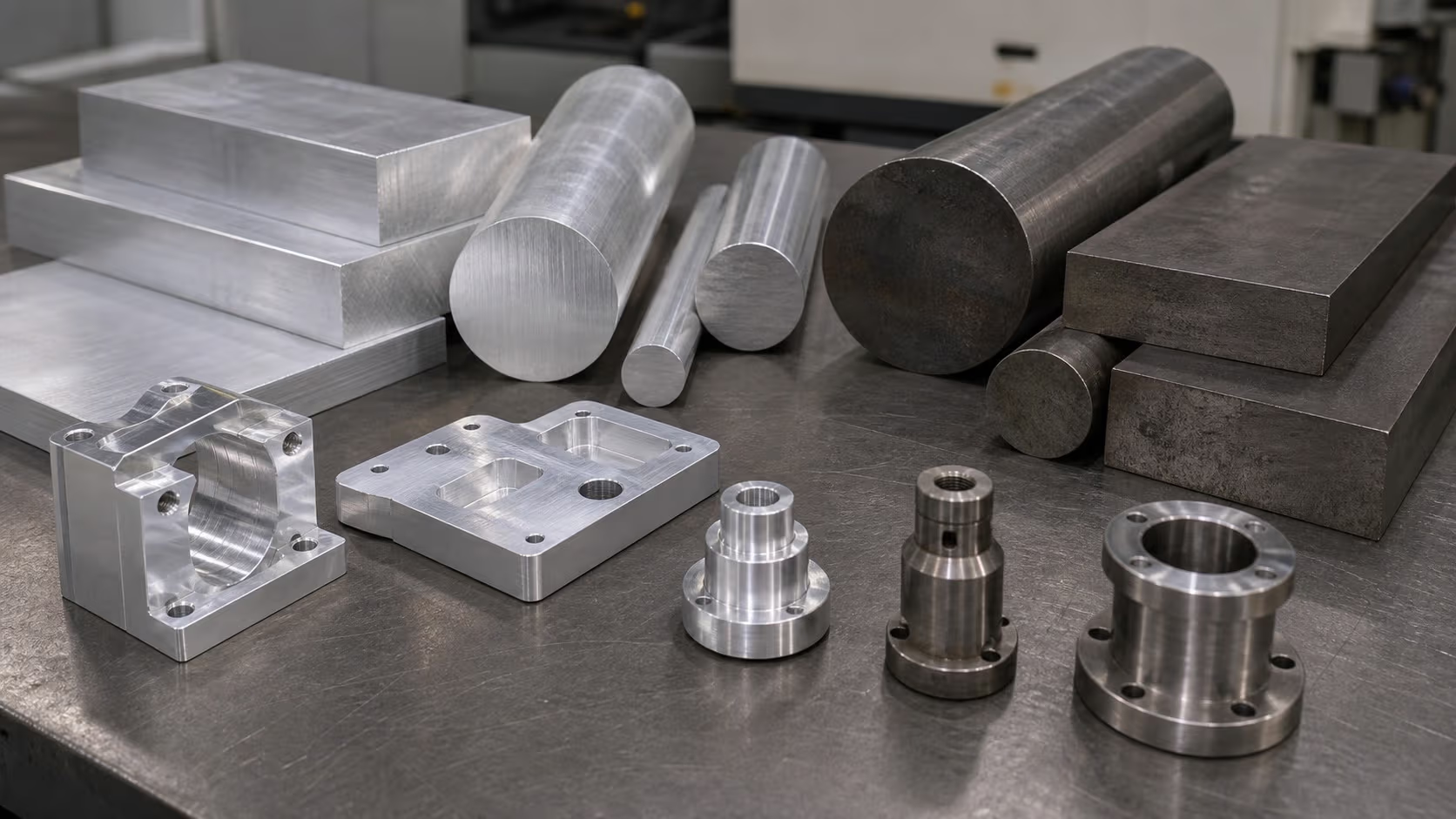
Aluminum vs Stainless Steel vs Brass: Which Material Machines Best?
Choosing the right material is one of the most important decisions in any machining project. While the design and manufacturing process matter, the material itself has a significant impact on machining speed, tool life, surface finish, and overall production cost. Among the most commonly machined metals, aluminum, stainless steel, and brass each offer unique advantages. The best choice depends on your application’s requirements, production volume, and budget. One process that often stands out for its efficiency is Brass Milling, thanks to brass’s excellent machinability and ability to produce clean, accurate components. In this guide, we’ll compare aluminum, stainless steel, and brass to help you determine which material machines best for
CNC Machine Tolerances: What Every Design Engineer Should Know
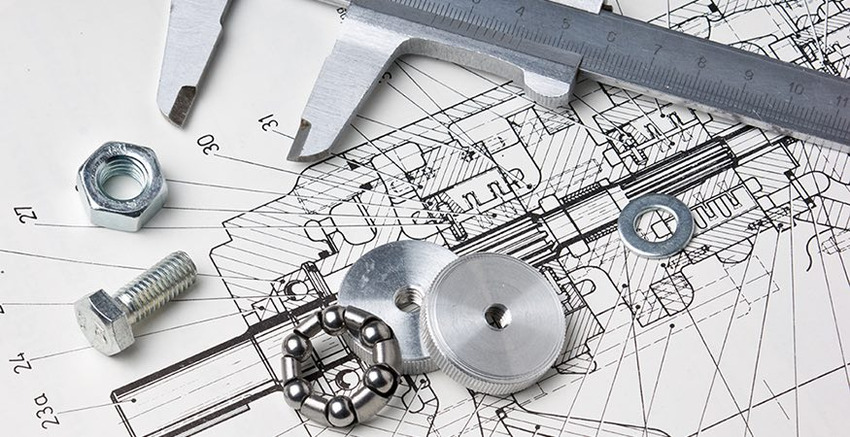
In the world of manufacturing, even the smallest measurement can make a big difference. A fraction of a millimeter can determine whether a component fits perfectly into an assembly or causes costly production delays. That’s why understanding machine tolerances is essential for every design engineer. When designing parts for Precision CNC Machining, tolerances are more than just numbers on a technical drawing—they directly influence product quality, manufacturing cost, and production efficiency. Setting the right tolerance ensures that parts perform as intended without making them unnecessarily expensive to produce. In this guide, we’ll explore what CNC machine tolerances are, why they matter, and how design engineers can make smarter decisions when
CNC Turning Explained: How Precision Rotational Parts Are Manufactured
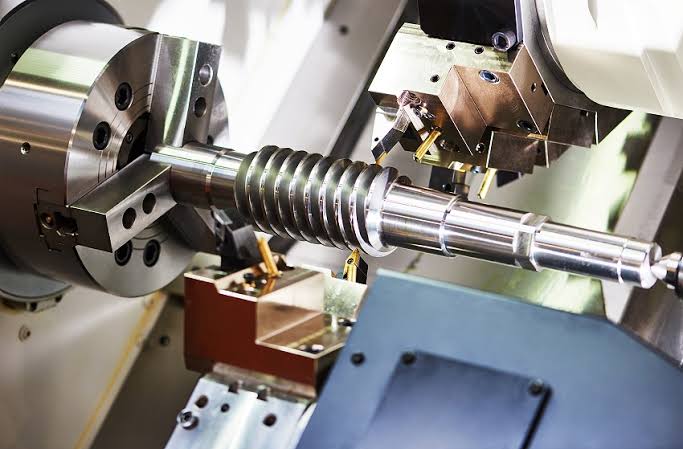
Walk into any modern manufacturing facility, and you’ll find countless components that have one thing in common—they’re perfectly round. Manufacturers use CNC turning to produce precision parts for automotive shafts, hydraulic fittings, medical implants, and aerospace fasteners. What makes turning so valuable is its ability to create highly accurate cylindrical components quickly and consistently. As industries continue to demand tighter tolerances and faster production, It has become a preferred machining process for manufacturers worldwide. In this article, we’ll explore what It is, how it works, its benefits, common operations, and where it’s used. What is CNC Turning? CNC Turning is a machining process in which a workpiece rotates at high
CNC Milling Machine: Working Principle, Types and Applications
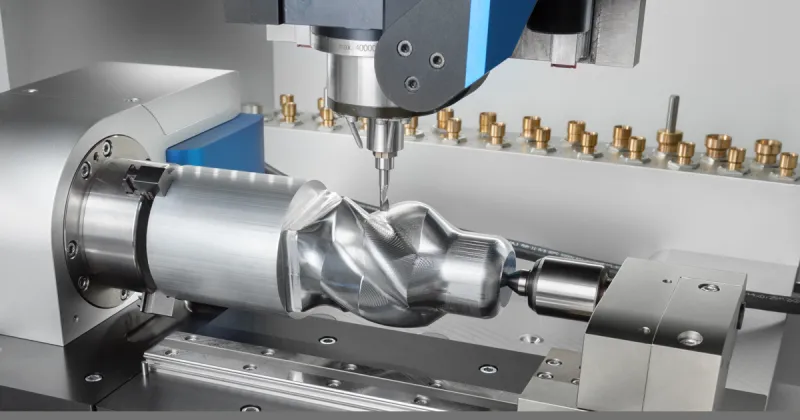
Manufacturing has changed dramatically over the past few decades, and one of the biggest contributors to this transformation is the Machine. From producing simple mechanical parts to manufacturing complex aerospace components, CNC milling technology has become an essential part of modern production. Unlike conventional milling machines that rely heavily on manual operation, CNC milling machines are controlled through computer programming. This not only improves precision but also reduces production time and minimizes human error. Whether you operate a small machine shop or a large manufacturing facility, understanding how a CNC milling machine works can help you make informed decisions about your machining processes. What is a CNC Milling Machine? A
Surface Finishes for CNC Machined Parts: Complete Selection Guide
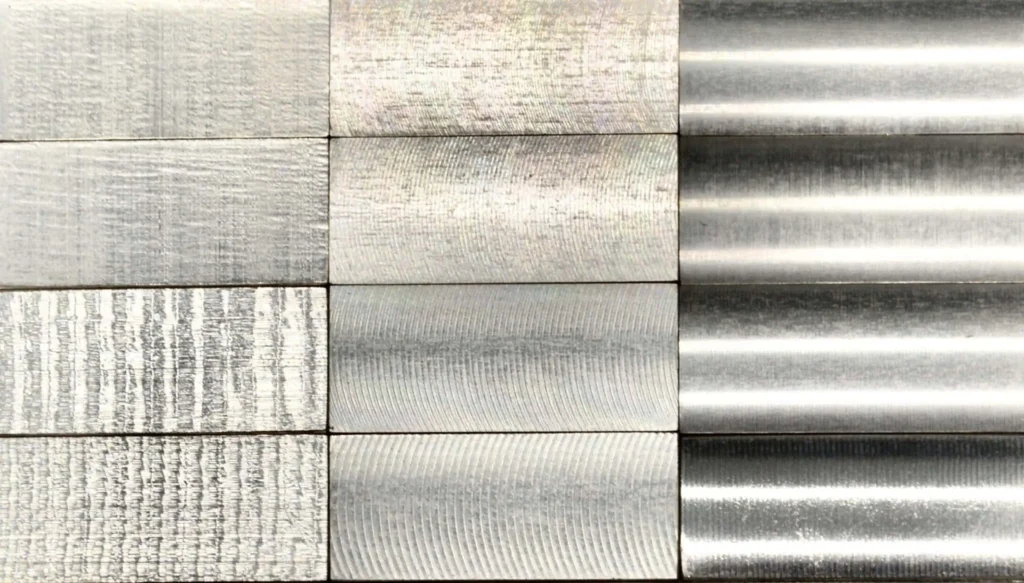
A well-machined part is only half the story. The final surface finish often determines how a component looks, performs, and lasts over time. Whether you’re manufacturing aerospace components, automotive parts, medical devices, or consumer products, choosing the right surface finish can significantly improve durability, corrosion resistance, and appearance. However, selecting the best finish isn’t always straightforward. Each finishing process offers different benefits, costs, and applications. Understanding these options helps engineers and manufacturers make informed decisions that balance performance with budget. This guide explains the most common surface finishes for CNC machined parts and how to choose the right one for your project. What Is a Surface Finish? A surface finish
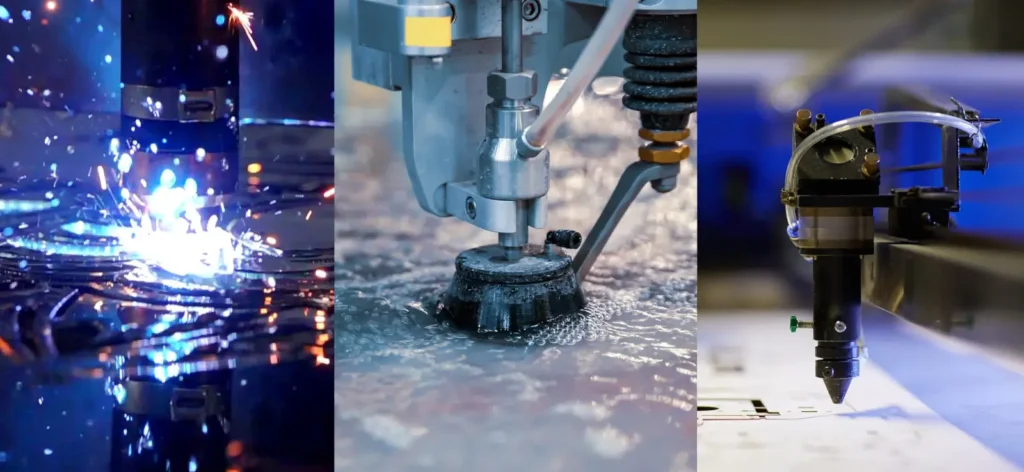
CNC Punching vs. Laser Cutting vs. Waterjet Cutting: A Complete Comparison
Choosing the right cutting process is one of the most important decisions in any sheet metal fabrication project. The method you select affects everything—from production speed and part accuracy to material usage and overall manufacturing cost. Three of the most widely used cutting technologies today are CNC punching, laser cutting, and waterjet cutting. Each has its own strengths, limitations, and ideal applications. Understanding how they differ can help manufacturers, engineers, and procurement teams make better decisions for their projects. In this guide, we’ll compare these technologies and explain when each one delivers the best results. Why the Right Cutting Method Matters No two fabrication projects are exactly alike. Some require
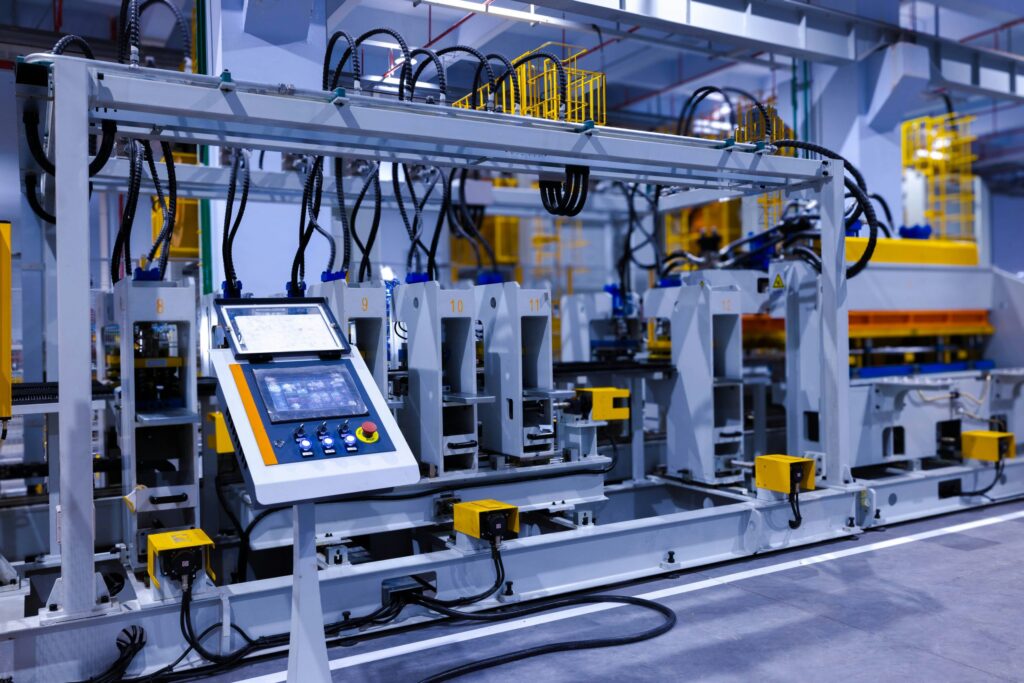
Complete Assembly Manufacturing with CNC Machining, Sheet Metal, and Plastics
In manufacturing, sourcing individual components is only part of the Assembly challenge. The bigger task often lies in bringing those parts together into a complete, ready-to-use product. When components come from multiple suppliers, businesses can face delays, quality inconsistencies, communication gaps, and rising costs. That’s why many manufacturers today prefer working with a single partner capable of delivering complete assemblies by combining CNC machining, sheet metal fabrication, and plastic component manufacturing under one roof. This integrated approach not only simplifies the supply chain but also improves product quality, reduces lead times, and gives customers greater confidence from prototype to production. The Challenge of Managing Multiple Suppliers Imagine you’re developing a
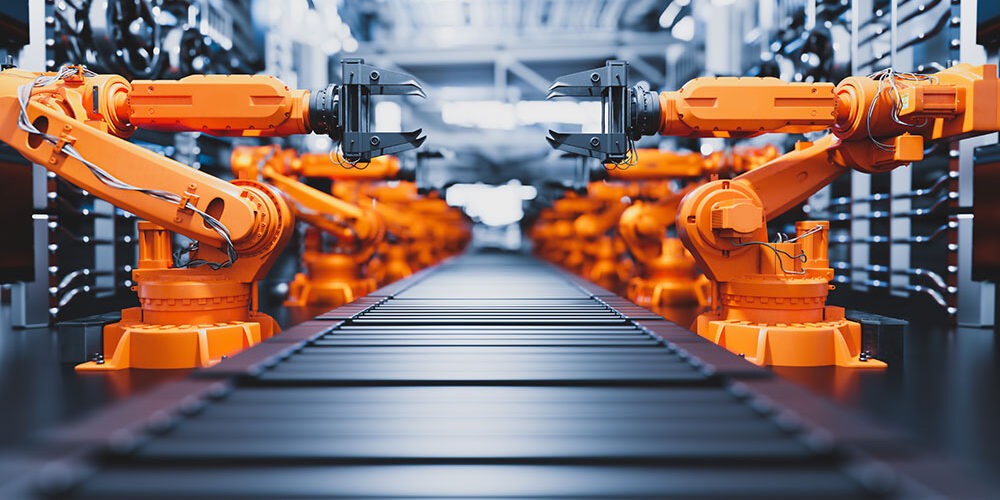
Precision Engineering in Modern Manufacturing: Why It Matters
Designing a welded product isn’t just about choosing the right material or creating an attractive CAD model. One of the biggest factors that determines whether a product is easy to modern manufacture—and performs as expected—is how tolerances are specified. It’s common for designers to focus on tight dimensions to achieve a perfect fit. However, in the real world, welding introduces heat, movement, and slight distortions that can make overly restrictive tolerances difficult, expensive, or even impossible to achieve consistently. Understanding how tolerances work in welded assemblies helps designers create products that are easier to manufacture, more cost-effective, and just as reliable. When design teams work closely with manufacturing engineers, they
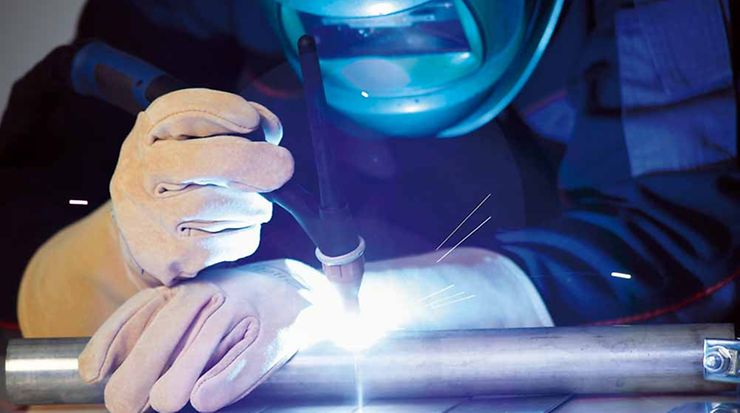
Tolerances in Welded Assemblies: What Designers Need to Know
Designing a welded product isn’t just about choosing the right material or creating an attractive CAD model. One of the biggest factors that determines whether a product is easy to manufacture—and performs as expected—is how tolerances are specified. It’s common for designers to focus on tight dimensions to achieve a perfect fit. However, in the real world, welding introduces heat, movement, and slight distortions that can make overly restrictive tolerances difficult, expensive, or even impossible to achieve consistently. Understanding how tolerances work in welded assemblies helps designers create products that are easier to manufacture, more cost-effective, and just as reliable. When design teams work closely with manufacturing engineers, they can
