
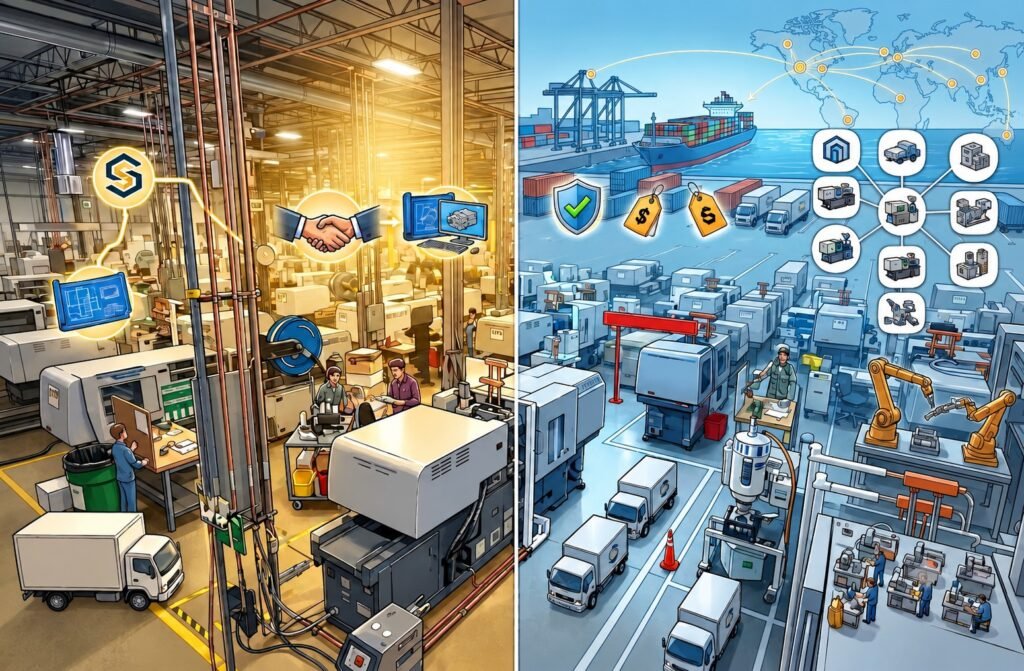
Single Supplier vs Multiple Suppliers: Which Manufacturing Strategy Works Best?
Choosing the right supplier strategy can have a direct impact on manufacturing cost, quality, delivery schedules, and even customer satisfaction. Some companies prefer working with one trusted supplier for most of their requirements, while others divide orders among several suppliers to reduce dependency and increase flexibility. Neither approach is automatically better. The right choice depends on the type of components being manufactured, production volume, technical requirements, delivery expectations, and how much control a company wants over its supply chain. So, when should a manufacturer choose a single supplier, and when does working with multiple suppliers make more sense? What Does a Single-Supplier Strategy Mean? A single-supplier strategy means a company
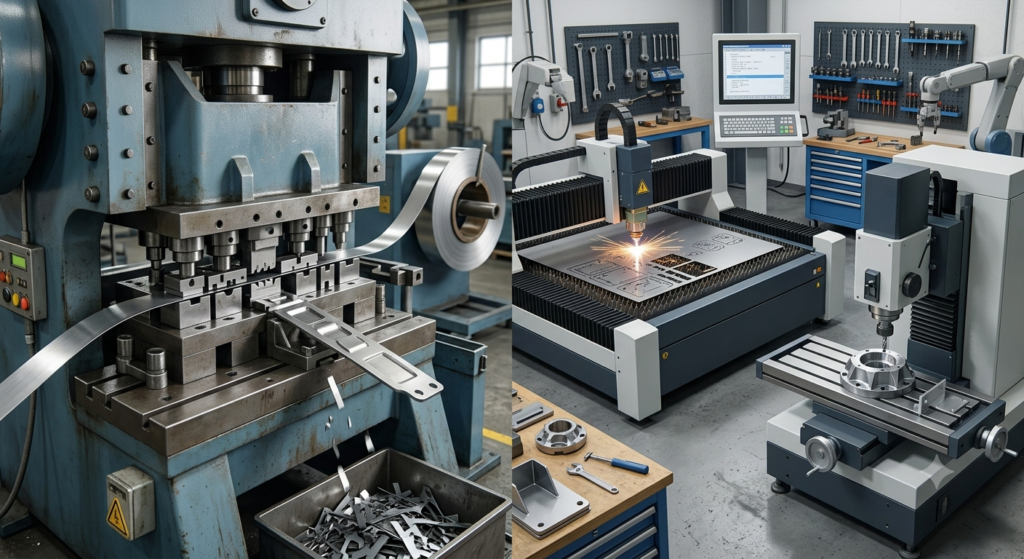
Progressive Die Stamping vs CNC Fabrication: Which Process is Better?
When it comes to manufacturing metal components, there is no single process that works best for every application. Two commonly used methods are metal stamping and CNC fabrication. Both can produce accurate, reliable parts, but they work in very different ways. Choosing between progressive die stamping and CNC fabrication usually comes down to factors such as production volume, component design, material, dimensional requirements, tooling investment and delivery timelines. So, which process is actually better? The answer depends on what you are trying to manufacture. What Is Progressive Die Stamping? Progressive die stamping is a high-volume manufacturing process in which a metal strip passes through a stamping press and moves through
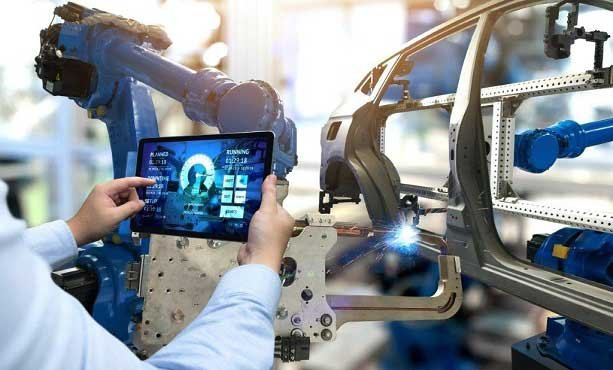
The Future of CNC Machining: Automation, AI and Smart Manufacturing
Manufacturing has always evolved alongside technology. From manual machine tools to computer-controlled systems, every advancement has helped businesses produce better parts with greater efficiency. Today, the next wave of transformation is already underway, driven by automation, artificial intelligence (AI) and smart manufacturing. These innovations are reshaping the CNC Machining Industry, enabling manufacturers to improve productivity, reduce downtime, and deliver precision like never before. While skilled machinists remain at the heart of the process, technology is changing how decisions are made, machines operate, and factories perform. So, what does the future hold for CNC machining? Let’s explore the technologies that are defining the next generation of manufacturing. Automation Is Becoming the
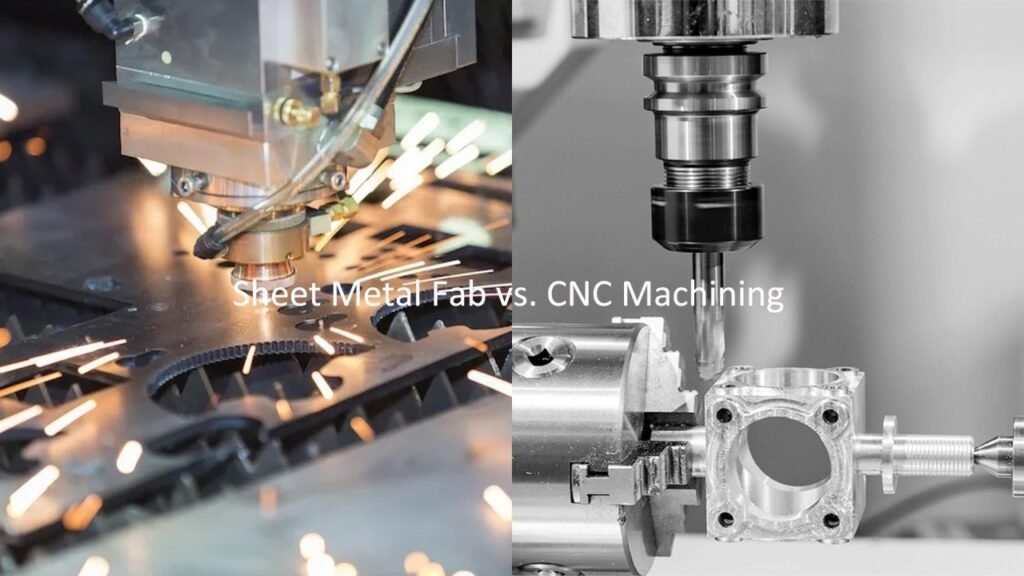
CNC Machining vs Sheet Metal Fabrication: Which Manufacturing Process Should You Choose?
Manufacturers today have access to numerous production methods, but two of the most widely used are CNC Machining and Sheet Metal Fabrication. Both processes are capable of producing high-quality components for industries such as aerospace, robotics, medical devices, industrial automation, electronics, and defense. However, they differ significantly in terms of material usage, manufacturing approach, achievable geometries, production costs, and ideal applications. One of the most common questions engineers ask during product development is: Should this part be CNC machined or fabricated from sheet metal? The answer depends on several factors including component design, material selection, tolerance requirements, production volume, assembly requirements, and cost objectives. In this guide, we’ll compare both
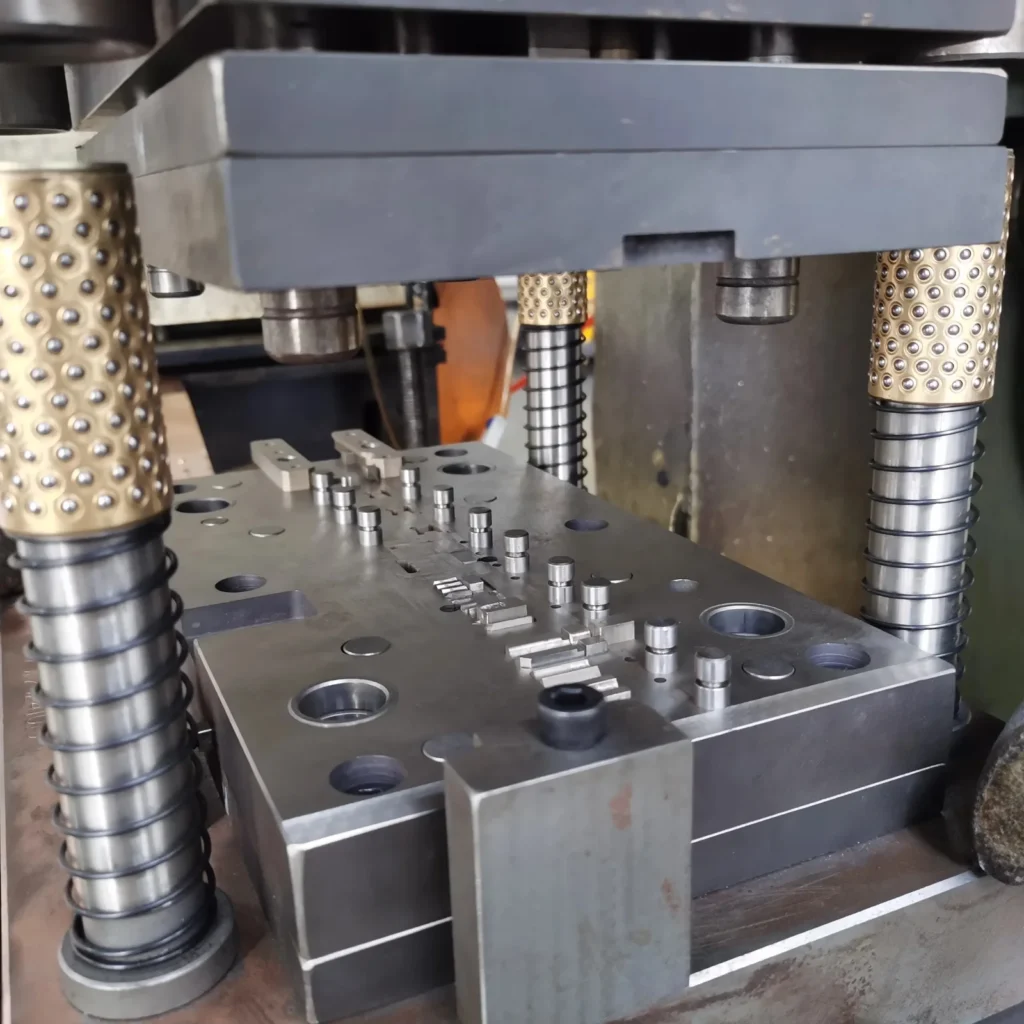
Progressive Die Stamping vs CNC Fabrication: Which Process is Better?
Choosing between progressive die stamping and CNC fabrication usually comes down to two core variables: how many parts you need and how fast your design might change. While both processes convert raw metal sheets into precise, functional hardware, they approach the problem from opposite ends of the manufacturing spectrum. Hard tooling drives high-volume speed, while software-guided paths offer ultimate flexibility. How Progressive Die Stamping Works Progressive die stamping feeds a continuous coil of sheet metal through a series of sequential stations mounted inside a single stamping press. As the press stroke cycles down, each station performs a distinct operation-punching a pilot hole, coining a feature, or forming a flange. The
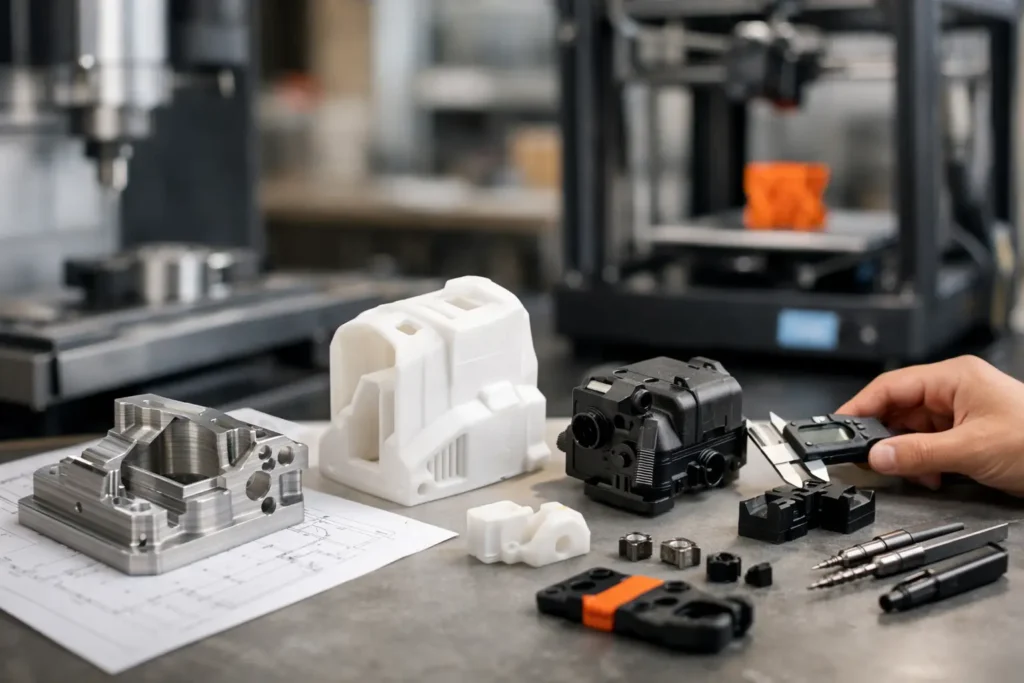
CNC Machining or Metal Fabrication? How Engineers Decide the Best Manufacturing Method
Choosing a manufacturing method is rarely as Metal Fabrication simple as picking the process that looks most advanced. CNC Machining or Metal Fabrication, For engineers, the real challenge is finding the right balance between accuracy, strength, cost, production volume, lead time and design requirements. Two manufacturing approaches that often come into consideration are CNC machining and metal fabrication. Both can produce high-quality components, but they work in fundamentally different ways. CNC machining removes material from a solid workpiece to create the required shape. Fabrication generally involves cutting, bending, forming, welding, and assembling metal components. So, how do engineers decide which one to use? The answer starts with the part itself.
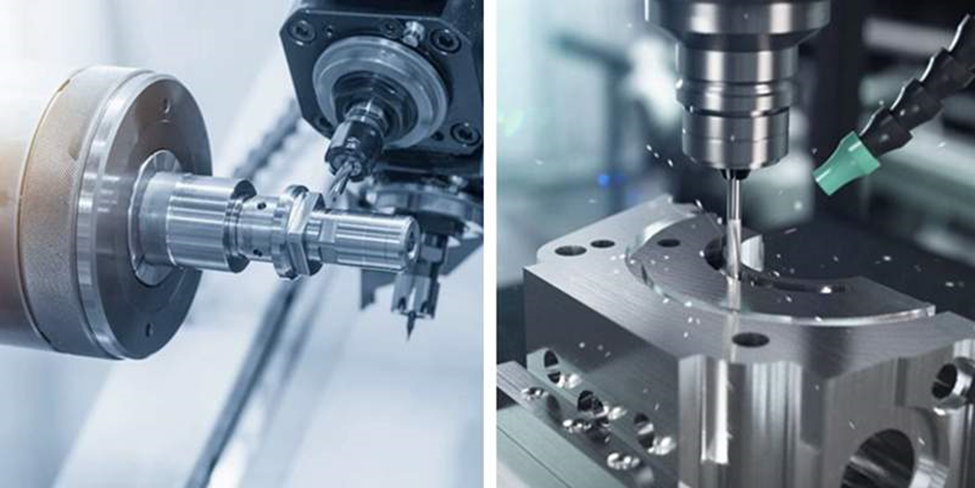
CNC Milling vs Sheet Metal Fabrication: Which Process is Better for Enclosures and Brackets?
When designing an enclosure or bracket, the manufacturing process can have a bigger impact on the final product than many engineers initially expect. CNC Milling vs Sheet Metal. Material choice, tolerances, production quantity, appearance, strength, and cost all come into play. Two of the most commonly considered options are CNC milling and sheet metal fabrication. Both can produce accurate, reliable components, but they approach the job in very different ways. So, which one is better? The honest answer is: it depends on what you are making and what the part needs to do. What Is CNC Milling? CNC milling uses computer-controlled cutting tools to remove material from a solid block,

The Hidden Costs of Managing Multiple Manufacturing Vendors
Managing a hardware supply chain often looks straightforward on paper: source individual components from specialized shops, negotiate competitive unit costs, and assemble the final product. However, splitting purchase orders across a dozen machining vendors and fabrication shops introduces hidden operational expenses that quickly erode projected margins. While diversifying suppliers offers flexibility, hardware startups and mid-tier OEMs frequently overlook the cumulative cost of vendor fragmentation. 1. The Administrative Overhead Trap Every additional vendor added to your roster increases internal workload. Managing a fragmented supply chain requires dedicated staff time that rarely shows up in your initial bill of materials (BOM) estimates: Managing five vendors requires significantly more administrative overhead than managing
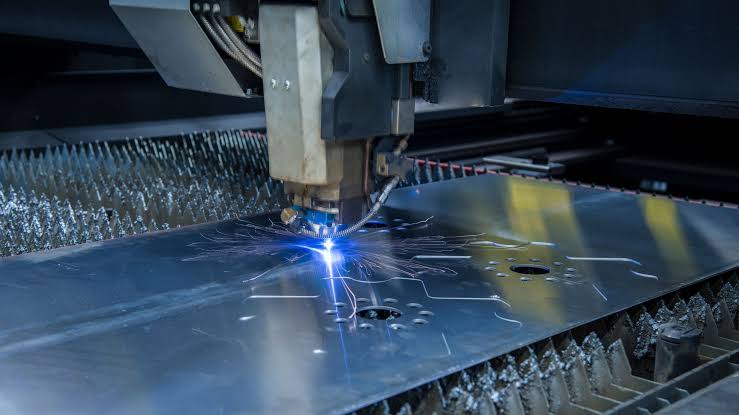
How Laser Cutting Works in Modern Sheet Metal Fabrication
Walk into any modern shop floor today, and you’ll instantly notice how much quieter it is compared to the manufacturing hubs of thirty years ago. Instead of heavy stamping dies thumping continuously and shearing blades screeching against steel plates, high-efficiency fiber optics direct invisible light beams across raw metal sheets. What used to take hours of manual laying out, mechanical sawing, and tedious edge-deburring now happens in seconds with pin-point accuracy. Laser cutting has fundamentally reshaped sheet metal fabrication, turning raw stock into intricate, production-ready components with virtually zero material waste. The Physics Behind the Beam At its core, a laser cutter doesn’t “slice” metal in the way a physical
Welding Methods Used in Modern Metal Fabrication
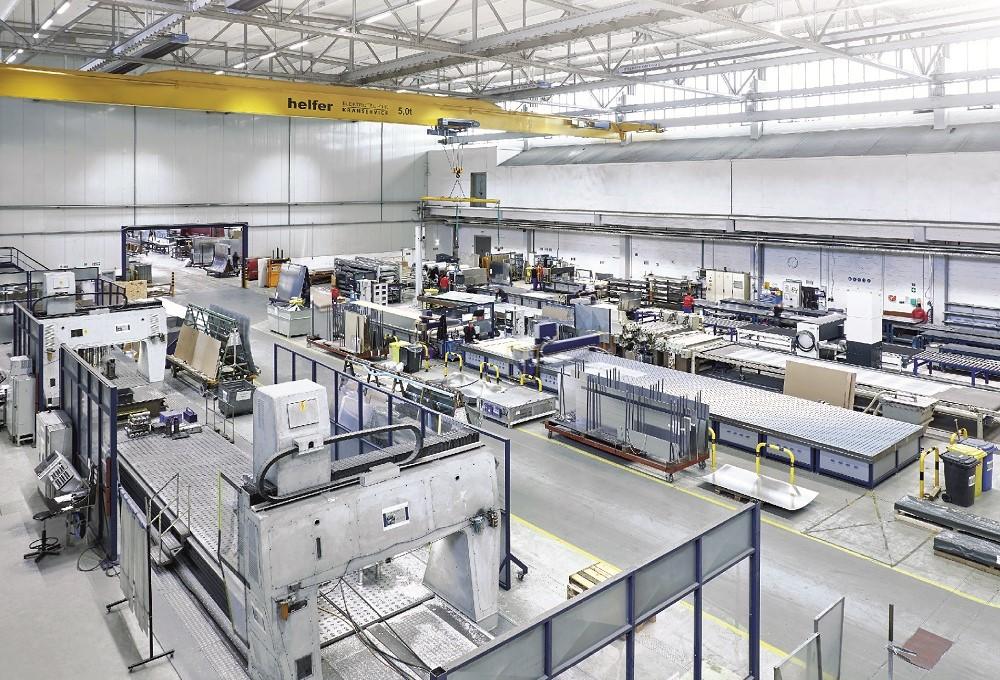
Welding is one of those manufacturing processes that often goes unnoticed when a finished product is sitting in front of us. Yet behind countless machine frames, industrial enclosures, robotic structures, automotive components, and steel assemblies is a carefully selected welding process holding everything together. Modern metal fabrication is no longer simply about joining two pieces of metal. The welding method can influence strength, appearance, distortion, production speed, cost, and even the service life of the finished component. That is why choosing the right welding process matters. MIG, TIG, stick welding, laser welding, and robotic welding each have their place. The best choice depends on the material, thickness, joint design, production
Material Selection Guide for Sheet Metal Fabrication
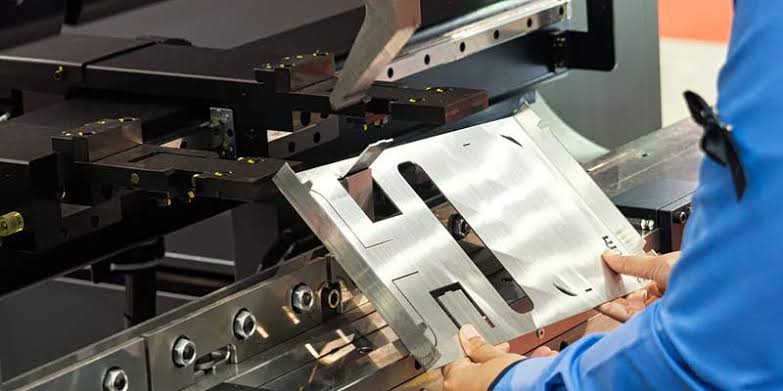
Choosing the right material is one of the first decisions that can make or break a sheet metal project. A component may have the right dimensions, a well-designed bend profile and a perfectly prepared drawing, but if the material isn’t suited to its environment or manufacturing process, problems can appear later—sometimes after the part has already entered production. Should you use mild steel or stainless steel? Is aluminum a better choice? Would galvanized steel provide enough corrosion protection? Should strength, weight, appearance, or cost take priority? There isn’t one material that is best for every application. Choose the material based on the component’s function, operating environment, manufacturing process, and target
Common Sheet Metal Design Mistakes and How to Avoid Them
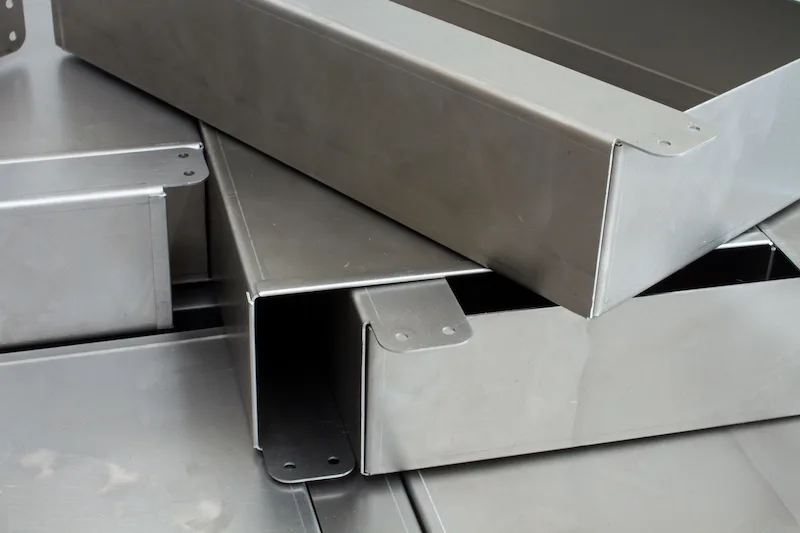
A sheet metal component can look straightforward on a drawing. A few bends, some holes, perhaps a flange or two and it seems ready for production. But anyone who has taken a part from CAD to the shop floor knows that sheet metal design is rarely that simple. A design that looks perfect on screen can develop cracks during bending, distort around holes, interfere with tooling, or fail to fit during assembly. Sometimes the issue isn’t the manufacturing process at all. It starts with a small design decision made much earlier. The good news is that most common sheet metal problems are avoidable. A little attention during the design stage
